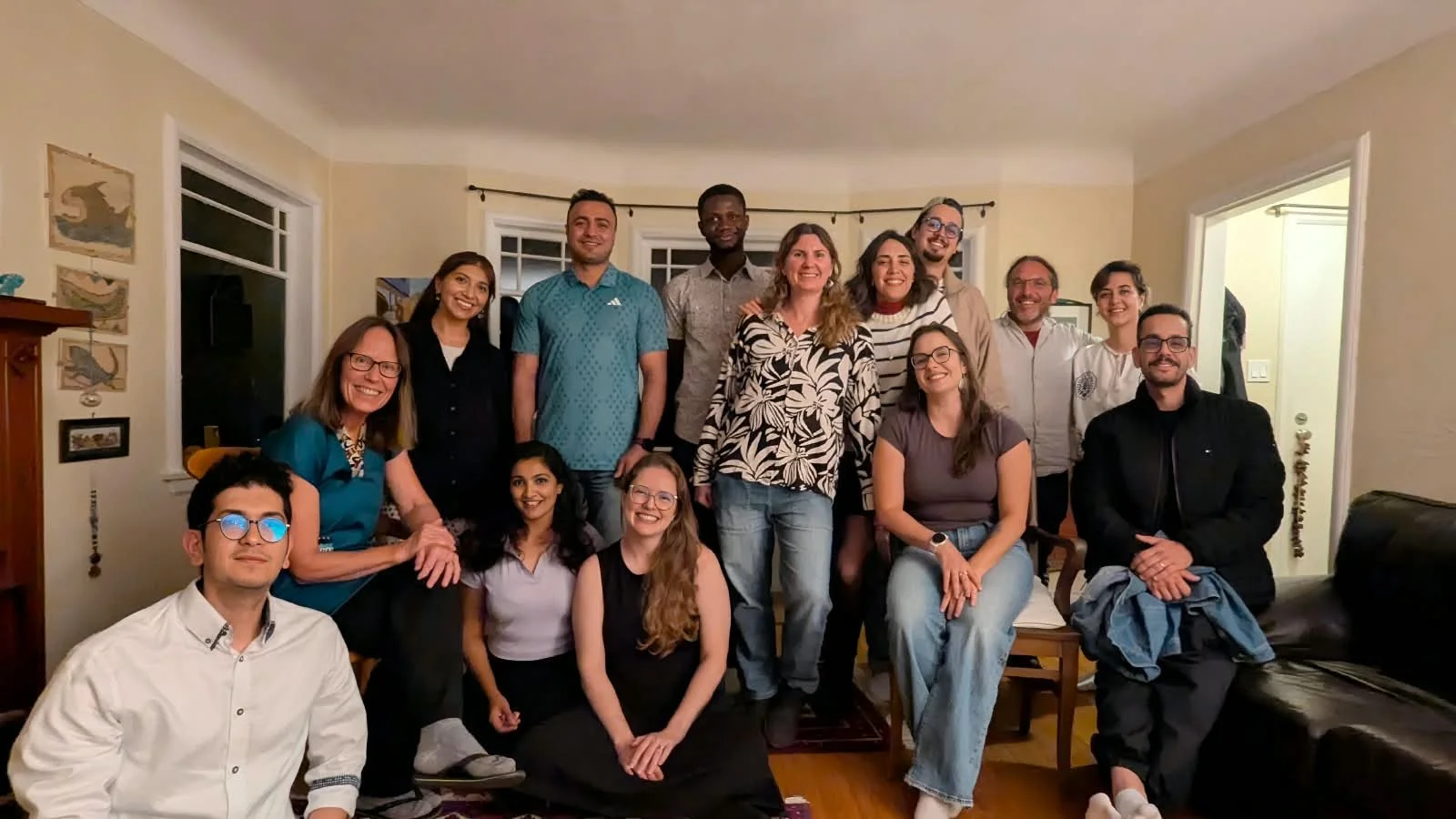
OUR TEAM
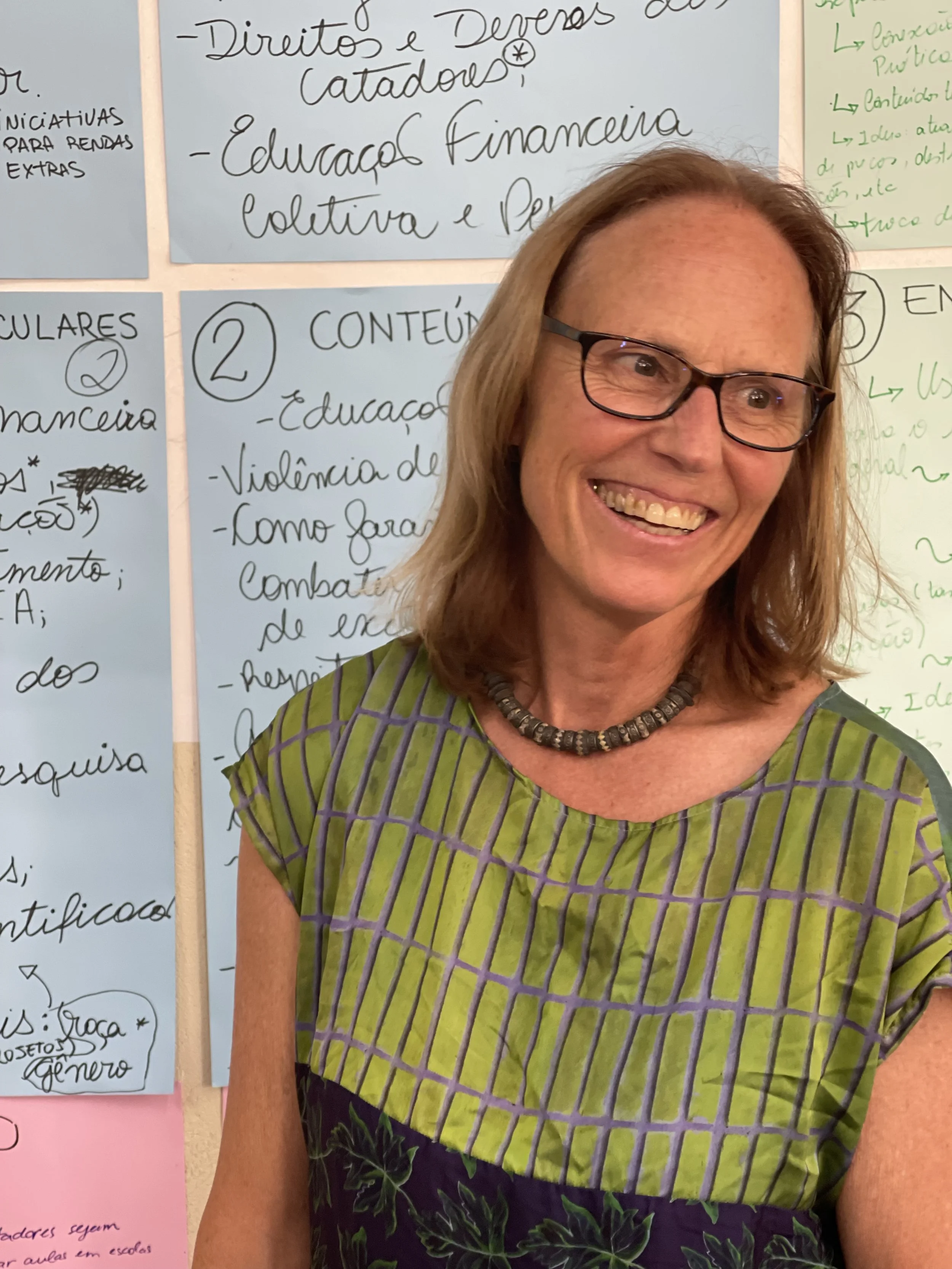
Jutta Gutberlet - Full Professor, Geography
Jutta is a Professor in Waste Governance and Climate Justice at the Department of Geography, University of Victoria, and the director of the Community-based Research Laboratory (CBRL), created in 2006. She completed her undergraduate studies in Biology at the State University of São Paulo (UNESP) and her Ph.D. in Geography at the University of Tübingen, Germany. Jutta has worked for the United Nations (Food and Agriculture Organization in Rome and in Ecuador) and for a non-governmental research institute (CEDEC) in São Paulo. She has also worked for the University of Tübingen/Germany and the University of Newcastle/Australia. Jutta’s current research interests are on sustainable livelihoods and community development with a specific focus on participation, co-management and poverty reduction strategies. She is involved in research on waste governance and participatory forms of resource management, particularly in the global South. She is the co-founder of UNICATA, the University for and with waste pickers, with classrooms in São Paulo and Brasília.

Lusungu Kayani - PhD candidate
Lusungu Kayani was born in Dar es Salaam, Tanzania and grew up in the U.S. She received a Master's in Urban Planning from New York University where she was a David Bohnett Fellow in Public Service. Prior to this, Lusungu studied International Affairs at Columbia University. As an urban planner and international development practitioner, Lusungu has experience working with city and local governments in Africa, Asia and Latin America. She served as an advisor with international organizations such as the United Nations Center for Human Settlements (UN-Habitat), Vital Strategies, UNICEF and most recently, with the United Nations Economic Commission for Africa. Her work focuses on the role cities play in ensuring an equitable and sustainable future for our planet, especially through the lens of health and well-being. In recent projects, she has worked to better understand how urban environments specifically support the health and development of children and adolescents.
James Roszel - PhD candidate
James Roszel embarked on his journey with CBRL in September 2023, concurrent with his doctoral studies in Geography at the University of Victoria. His research focuses on mapping waste commodity value chains with a goal of understanding socio-cultural influences affecting recycling rates for various commodities. This endeavor builds upon CBRL's previous research with in São Paulo, Brazil, broadening engagement with waste pickers to scrap dealers. James aims to glean insights that can steer the development of more sustainable and socially responsible waste management strategies. His collaboration with CBRL underscores his commitment to bridging academia and industry, bolstering capacity within the waste and recycling community to devise practical solutions for the challenges facing communities in São Paulo and beyond.
Hailing from Ontario, Canada, James has been deeply involved in recycling and sustainability initiatives since his youth, starting from collecting cans and newspapers at local recycling depots to engaging in high-level international trade governance discussions. Over the span of more than 20 years at RecycleNet Corporation, James participated in a diverse range of international endeavors aimed at advancing the trade of secondary commodities through collaborative partnerships. Equipped with a Master of Arts in Public Issues Anthropology (2023) from the University of Guelph, James brings a passion for social science-based research, community-based improvement, and international development, enriched by his extensive background in the recycling industry, to the CBRL.
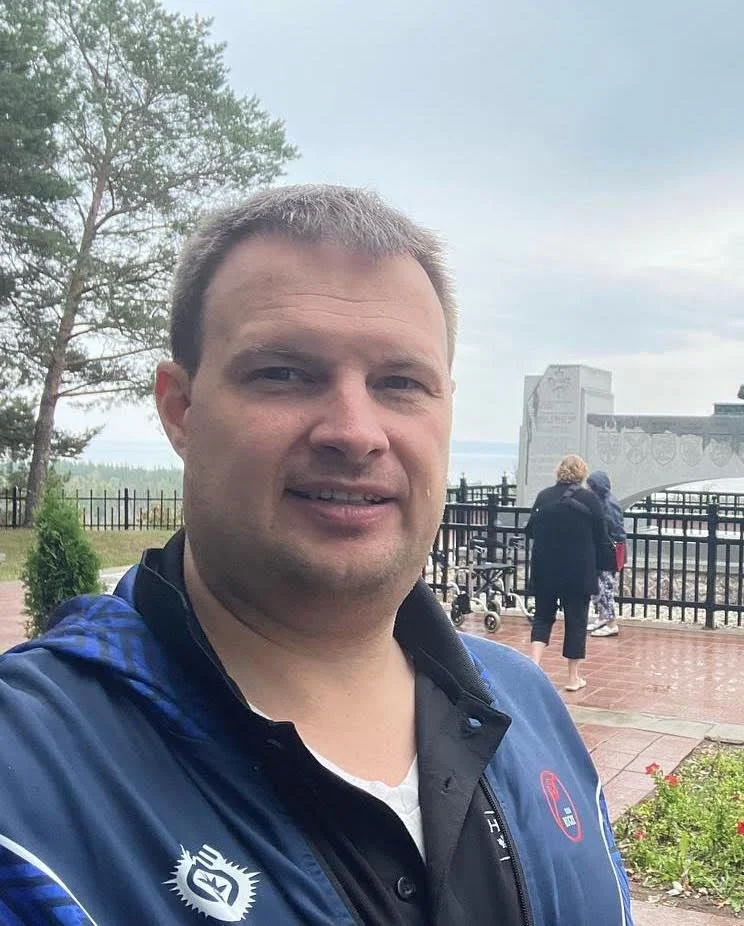
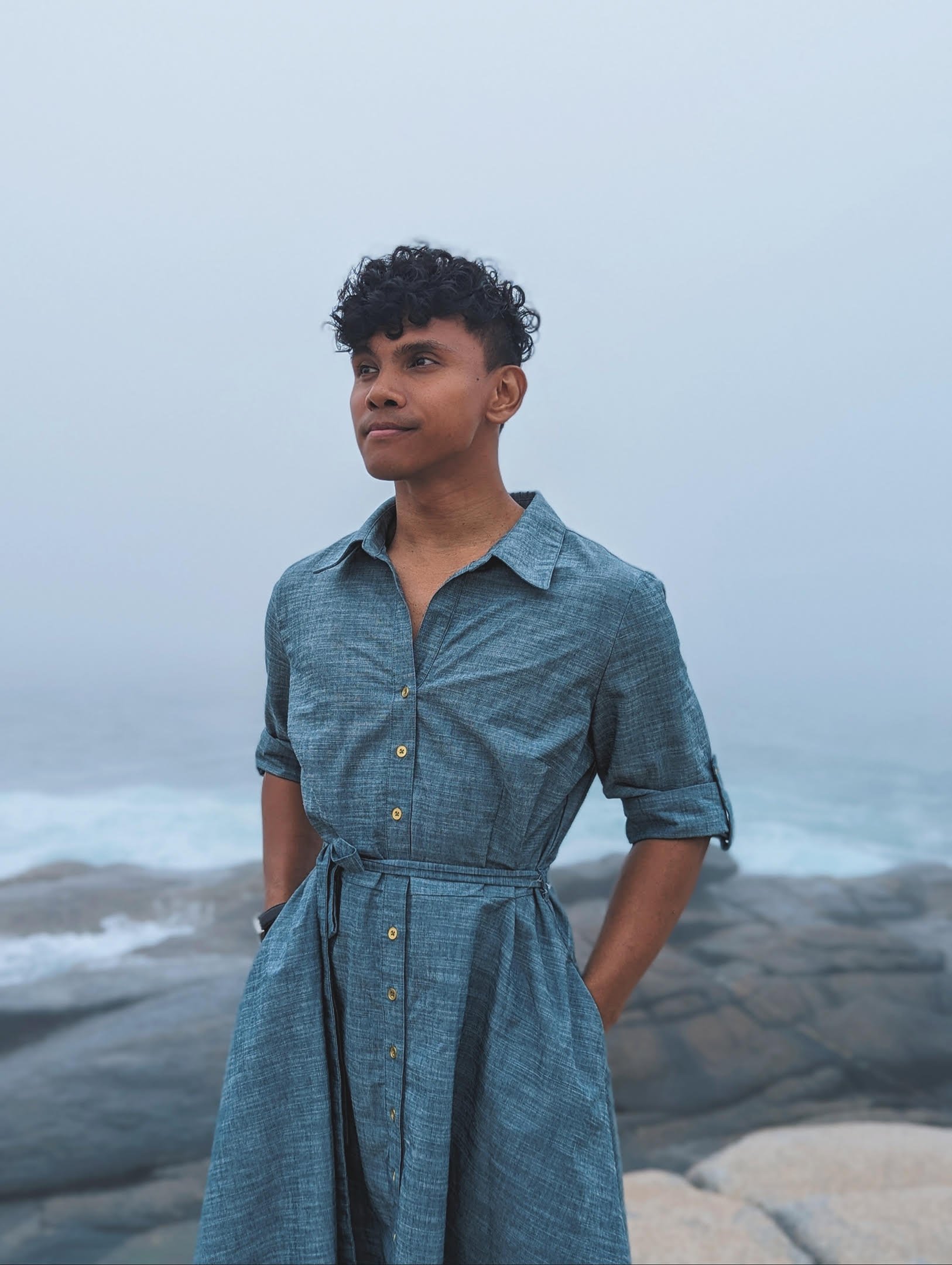
Hazim Ismail (dia/they/them) - PhD candidate
Born in Kuala Lumpur, raised in Dover and Skudai, Hazim Ismail completed their BA Anthropology at the University of Winnipeg, and MA Anthropology at the University of Toronto, with a Collaborative Masters Specialization in Contemporary East and Southeast Asian Studies. Their research explores underrepresented, invisibilized communities in post National Sword policy plastic waste governance in the Klang Valley, Malaysia region, particularly relations between formal plastic waste trade state, corporate entities, racialized valley residents and migrant labour. They are especially interested in how this translates to policy and advocacy work at the national level.
Hazim’s experience stems from 11 years of grassroots community work in the intersections of migrant labour rights and ecological stewardship. They have served on the boards of Sexuality Education Resource Centre Manitoba (SERC), Planned Parenthood Toronto, chairing the Bylaw and Policy Committee, and Maggie’s Toronto Sex Worker Action Project. They’ve served as project manager and community planner for Water Allies water stewardship research team, community asset mapping for the municipal government of Toronto (through which they authored The Community Playbook, a guidebook for community development in the Greater Toronto Area, the provincial government of Manitoba, Social Planning Toronto, and Ontario Council for Agencies Serving Immigrants (OCASI).
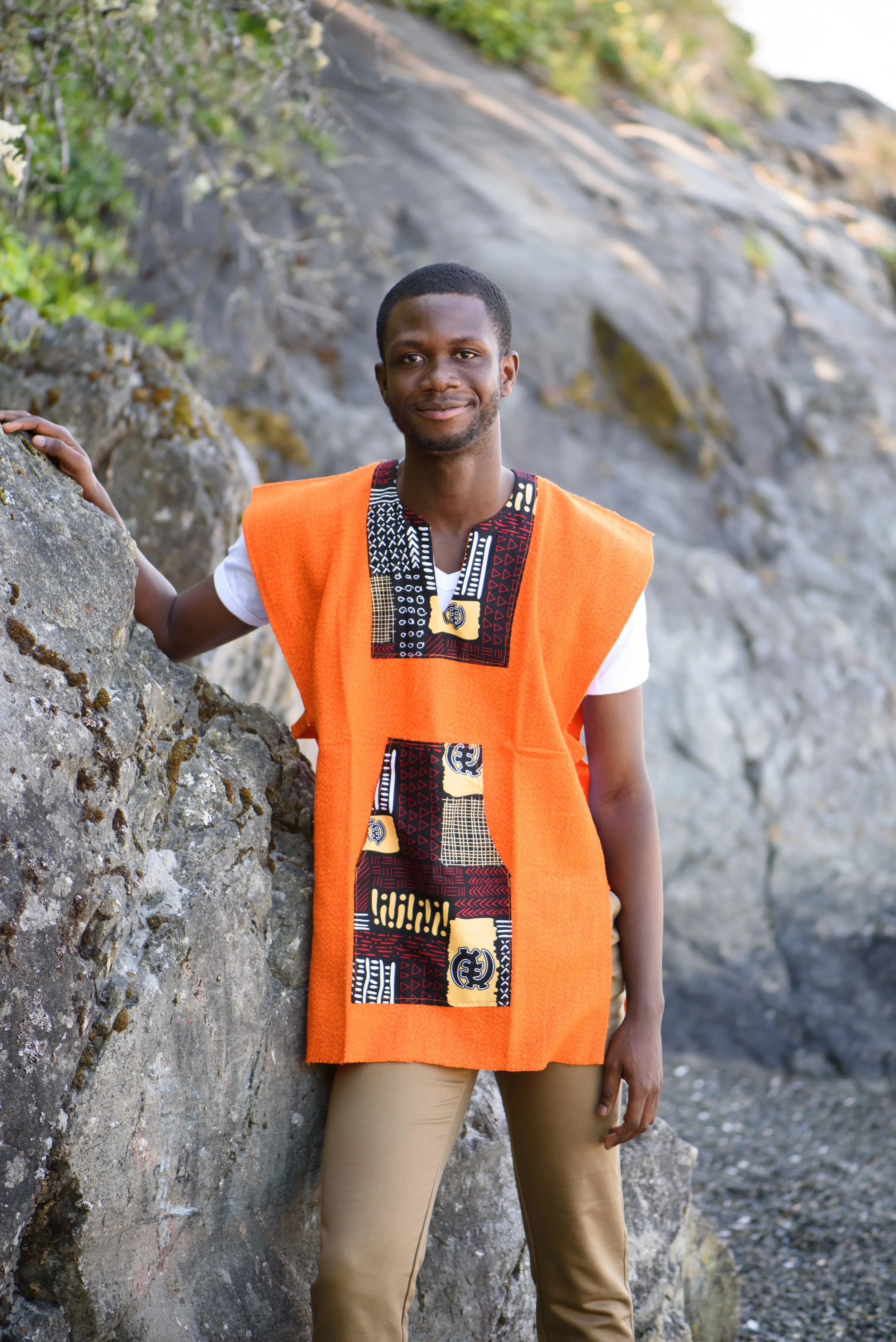
John Mba-Wuni Wuntah - PhD candidate
Wuni is a PhD candidate in Geography at the University of Victoria. He completed his Bachelor of Arts in Geography and Political Science at the University of Ghana in 2020 before joining the Community-Based Research Laboratory (CBRL) at the University of Victoria, where he earned a Master of Arts in Geography in 2025 and is now pursuing his PhD.
His doctoral research investigates organic waste governance in Ghana, exploring how community-based and socially inclusive approaches to organic waste recovery can contribute to climate mitigation, reduce methane emissions, and strengthen urban resilience. Drawing on situated urban political ecology and community-engaged research, his work examines the social, political, and institutional dimensions of waste governance in informal communities. His broader interests include circular economy, climate justice, sustainable cities, urban governance, and environmental policy in the Global South.
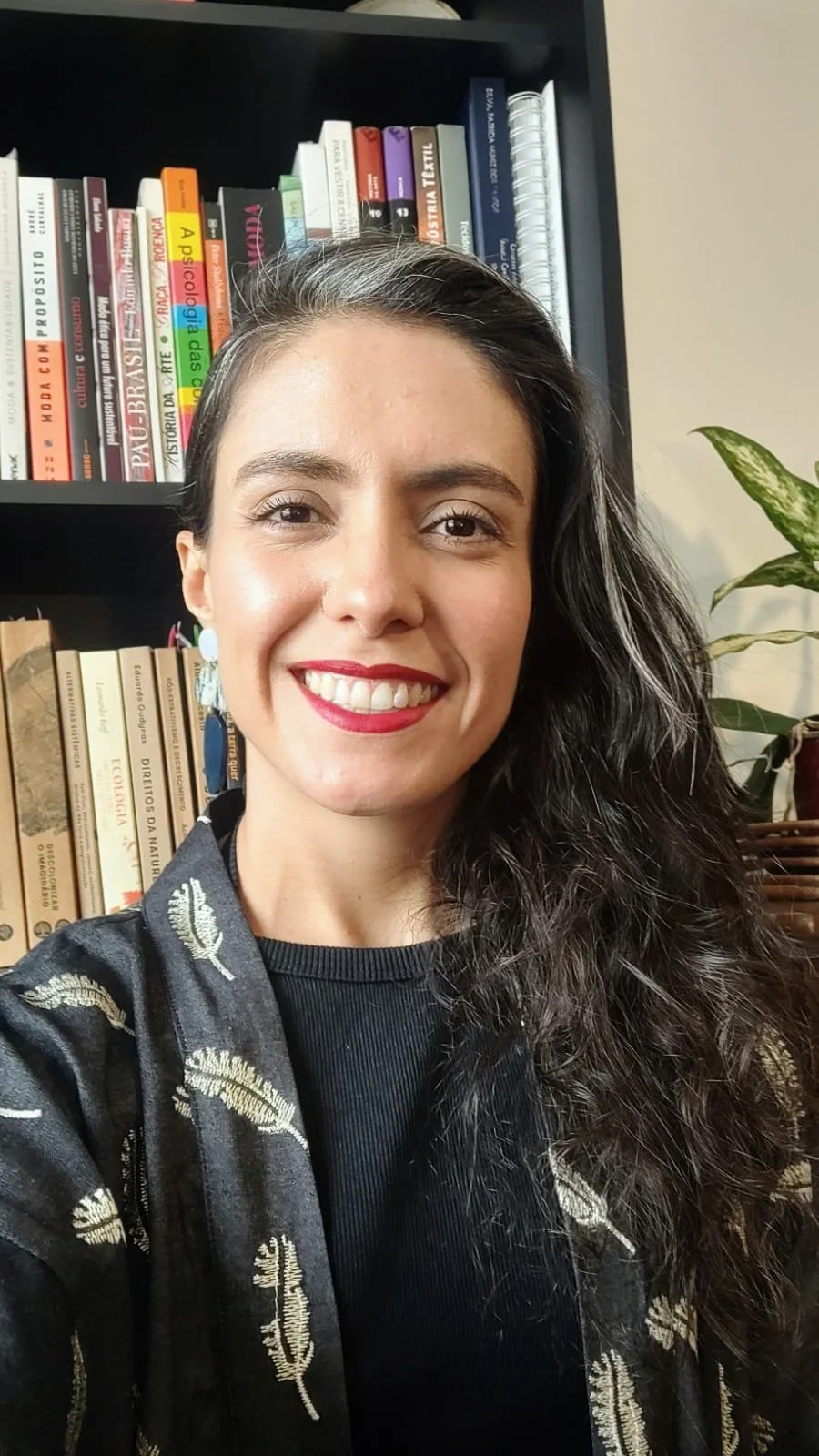
Patrícia Muniz dos Santos Silva - PhD candidate
Patrícia is a PhD candidate in Environmental Science at the Institute of Energy and Environment, University of São Paulo (IEE-USP), Brazil. She was a visiting research student at the Community-Based Research Laboratory (CBRL), University of Victoria, supported by the Doctoral Sandwich Program Abroad (PDSE-CAPES). She currently collaborates with the lab on a project about fashion and waste colonialism. She holds a Bachelor's and a Master's degree in Textiles and Fashion from the School of Arts, Sciences, and Humanities (EACH-USP), and completed an exchange program in Fashion Design at the Technical University of Lisbon, Portugal, during her undergraduate studies. Her doctoral research examines the relationship between fashion and sustainability from a decolonial perspective. It focuses on the Rendeiras da Aldeia, a community of women lacemakers in Carapicuíba, São Paulo, who make renda renascença (renaissance lace). Her research interests include decoloniality, handmade textile processes, sustainability in the textile and fashion industries, political ecology, waste colonialism, and natural dyes.
Isabella de Carvalho Vallin - PhD candidate
Isabella is a Ph.D. student in the Postgraduate Program in Environmental Sciences (PROCAM) at the University of São Paulo (USP), Brazil, with an ongoing sandwich period as a visiting Ph.D. student at the UVic. She holds a Master's degree in Science and a Bachelor's degree in Environmental Management. She is a researcher at the Center for Research on Organizations, Society and Sustainability (USP) and the Community Based Research Laboratory (CBRL/UVic). She conducts research on climate justice, environmental justice, and solid waste, with a particular focus on plastic pollution. Furthermore, she works with social movements and educational initiatives through university outreach with waste pickers.
Isabella de Carvalho Vallin
ResearchGate | LinkedIn
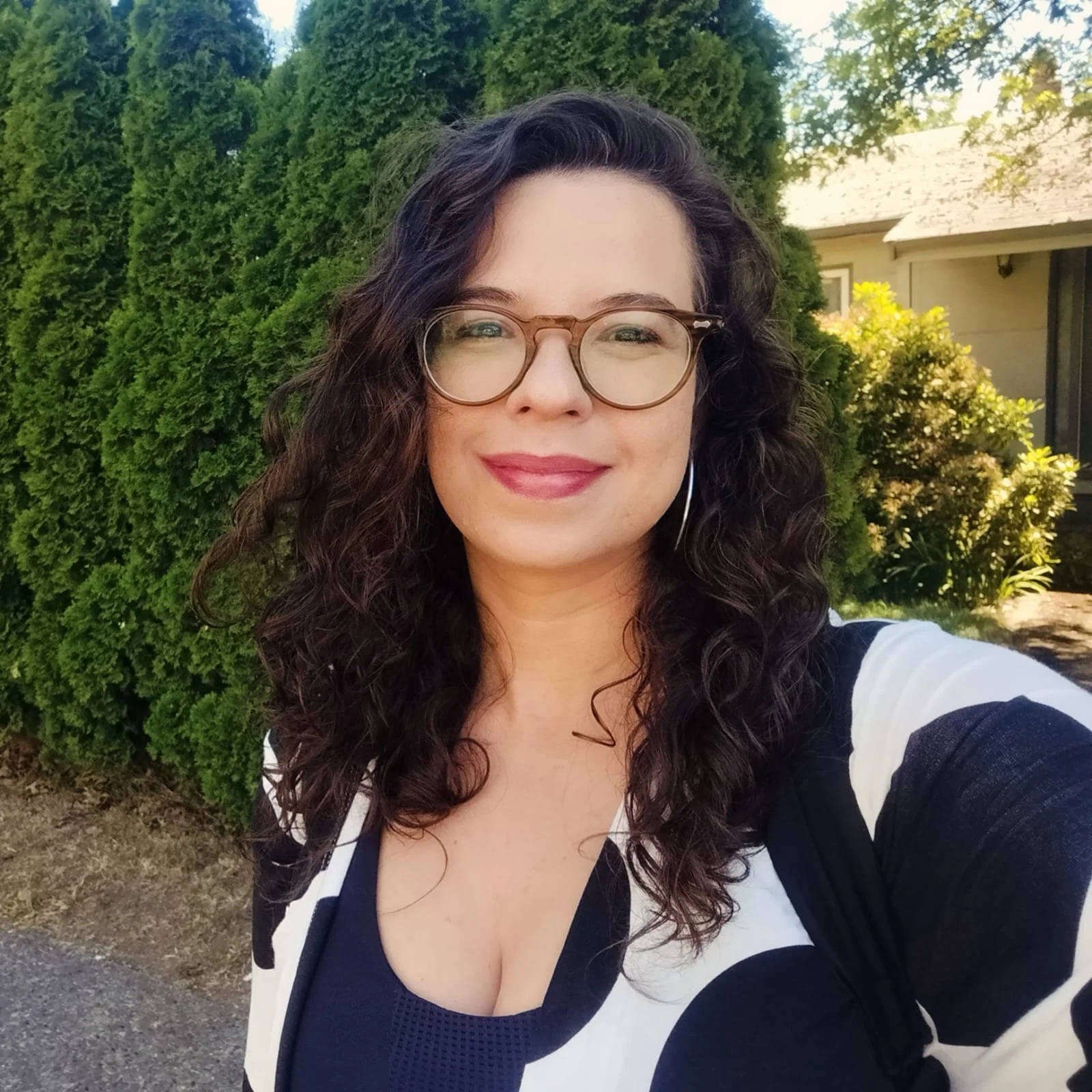
Allan Santos de Oliveira - PhD Candidate/Visiting Scholar
Allan is a Ph.D. candidate in the Professional Graduate Program in Environment, Health, and Sustainability (ProASaS) at the School of Public Health, University of São Paulo (USP), under the supervision of Prof. Dr. Leandro Luiz Giatti. He holds a Bachelor’s degree in Environmental Engineering and a Master’s degree in Public Health from USP. His doctoral research focuses on a qualitative analysis based on machine learning, conducted through Action Research addressing Environmental Racism in collaboration with waste pickers in cooperatives and women in a local healthcare non-profit organization in the municipality of Suzano, São Paulo. In addition to his academic research, Allan has served, since 2017, as an Environmental Analyst for the Municipal Environmental Secretariat in Suzano where he plans and implements public policies in Environmental Education. He also serves as the Coordinator of the Technical Chamber for Environmental Education of the Upper Tietê Watershed Committee (CTEA/CBH-AT).
Starting September 2026, Allan is conducting a visiting research period (sandwich Ph.D.) at the Community-Based Research Laboratory (CBRL) at the University of Victoria (UVic). His work at CBRL centers on qualitative analysis of participatory approaches within UNICATA (University for and with Waste Pickers), leveraging machine learning techniques to support qualitative data processing and insights.
Ana Maria R. C. de Castro - Post-Doctoral Fellow
Ana Castro is a Brazilian researcher with more than 10 years of experience collaborating with waste pickers. She is currently based in Canada, where she is a Post-doctoral Fellow with the Community-Based Research Lab and the Centre for Global Studies at the University of Victoria. She works on the University for and with Waste Pickers (UNICATA) project, leading research with waste pickers in Victoria and Vancouver, and coordinating outreach activities. She holds a PhD and a Master’s degree in Hydraulic Engineering and Sanitation, and a Bachelor’s degree in Environmental Engineering. Trained as an engineer, she brings a social lens to waste management and the circular economy, centering the voices and knowledge of workers who are often overlooked.
Ana Maria Rodrigues Costa de Castro
ResearchGate | LinkedIn | ORCID |
Carolina Carvalho - Post-doctoral Fellow
Carolina has a PhD in Environmental Planning (Federal University of Rio de Janeiro - UFRJ, Brazil), with a research period at the Royal Institute of Technology (Tekniska Kunliga högskolan - KTH) in Stockholm, Sweden. She did a postdoc research using Participatory Geographic Information Systems (PGIS) applied to urban governance, at the Public Health Faculty (University of Sao Paulo) and Aalto University, Espoo, Finland. She was a visiting researcher at the University of Birmingham (UK), in 2022-2023.
Currently, she is a researcher at the Institute of Environment and Energy, of São Paulo University and founder of the Comunidades Vivas - Mapeamento Participativo, an initiative that brings participatory mapping as a tool for urban planning improvements, focusing on citizen engagement for better and healthy cities www.comunidadesvivas.com.br.
Angela Hinostroza - Communication and Design
Angela Hinostroza holds a Bachelor's degree in Communication Arts and Sciences with a focus on Advertising from the Pontifical Catholic University of Peru.
Over the past six years, she has worked for the Canada Peru Chamber of Commerce in collaboration with the Embassy of Canada, focusing on communication and marketing strategies to strengthen the ties between Canada and Peru. She has also actively participated in various art exhibitions that promote sustainable concepts and is happy to be involved with the CBRLab projects.

Indigo Eilers - Honours Student
Indigo (she/her) is going into her final year of undergraduate studies at the University of Victoria, taking a bachelor of arts in Geography with a minor in English. With a passion for sustainability, she is interested in learning about the relationships between waste management, economics, and social wellbeing. Soon, Indigo will be doing research, facilitated by Jutta Gutberlet, where she will interview individuals who engage in informal waste-management in the hopes of assisting the destigmatizing of their work. Indigo is a settler who has lived most of her life on the unceded territories of the Sḵwx̱wú7mesh Úxwumixw (Squamish), səlilwətaɬ (Tsleil-Waututh), and xʷməθkʷəy̓əm (Musqueam) Indigenous peoples.
Abigail R. Lorz - Highschool Research Associate
Abigail R. Lorz is a published author, researcher, and community advocate driven by an eager curiosity to explore, innovate, and address pressing environmental issues. Driven by a constant desire to learn and contribute, she thrives on tackling new projects, translating scientific and empirical data into written papers, and turning research insights into actionable policy and real-world results. As a published author in the journal Biodiversity, Abigail has authored research spanning global conservation frameworks, fisheries law and justice, green sea turtle recovery, and the impacts of ocean darkening on marine ecosystems. Building on this work, she remains dedicated to researching today’s most urgent environmental issues.
Collaborative, adaptable, and deeply motivated, she is always eager to lend her skills to new research, support team initiatives, and contribute to sustainable communities.
Affiliated
Dr. Sharon Dias
Dr. Sharon is a geographer, educator and is currently a postdoctoral researcher at McGill University’s Faculty of Medicine and Health Sciences Ingram School of Nursing. Her interdisciplinary research explores the intersections of place, social inequalities, health and knowledge mobilization, with a focus on understanding how research can better inform health systems, policies, and practices. Her work brings together critical geography, community-based participatory research, mixed methods, and community engagement to address social and spatial inequalities and advance more equitable, inclusive, and accessible approaches to just urban environments and health research. Currently, she is particularly interested in understanding how health research networks, organizations, researchers, health professionals, patients, and community members mobilize knowledge and collaborate to improve health systems and outcomes. Originally from Northeast Brazil, Sharon brings an international and interdisciplinary perspective to her research, informed by her experiences working with communities and conducting research across different social and geographical contexts.
Dr. Navya Vikraman Nair - Affiliated Researcher
Dr. Navya Vikraman Nair is a Postdoctoral Researcher at the University of Victoria (Department of Civil Engineering), Dalhousie University (Department of Biology) and an Adjunct Assistant Professor at the University of Waterloo, Canada. She holds a PhD in Sustainability Management (Water) and has an interdisciplinary background in environmental engineering, water governance, and sustainability science. Her research explores the intersections of environmental change, ecosystem health, livelihoods, and social–ecological resilience, with particular interests in coastal wetlands, water quality, blue carbon ecosystems, small-scale fisheries, and climate adaptation. Her work integrates community-based and participatory research, local and Indigenous knowledge, environmental justice, and mixed-methods approaches to support inclusive environmental governance. Her broader research interests include plastic pollution, waste governance, circular economy transitions, and the social and ecological implications of environmental contamination, particularly in Global South contexts. Through her affiliation with CBRL, she is interested in exploring collaborative research on plastic pollution, human and ecological exposure pathways, community-engaged environmental monitoring, and socially just approaches to waste and resource governance.
Dr. Maeva Gauthier
Maeva Gauthier was part of CBRL as a PhD Candidate in Geography and Research Assistant for the UNESCO Chair in Community-based Research and Social Responsibility in Higher Education.
For her PhD, she used Participatory Video as a tool to engage Arctic communities around global change, such as plastics in the environment and climate change and what it means for the youth in Tuktoyaktuk. She is passionate about ocean sciences, coastal communities, communications, and filmmaking. Originally from Quebec, she moved to Victoria to complete a MSc in Marine Ecology (Univ. of Victoria) after a BSc in biology (Univ. of Quebec in Montreal). Her interest for the poles started with expeditions to the Antarctic and the Arctic in 2009, and she has been going back to the Arctic multiple times ever since. She is also the co-founder of Live It, which provides K-12 online educational content about nature. For more information, visit Maeva's website.
MSc. Bita Ebrahimi
We all deserve to live a decent life. I started to develop this concern, specifically with regard to the places we are inhabiting, as I have learned to observe more carefully. This is why I spent almost a decade studying and researching the cities as the places that encompass our lives and shape the quality of that.
Born in Isfahan, Iran, Bita curiously chose to gain her bachelor’s in Urban Planning from the Art University of Isfahan. Then, she pursued her MA in Urban Design at Art University, Tehran. Since 2016, she has been a member of the “Virtual Reality and Emerging Technologies Lab” at the Art University of Tehran. After years of studying and working, I came to the belief that participatory approaches are the most advantageous in helping us to further the edges of our knowledge. In doing so, technology, specifically VR, has a lot to offer to our research in facilitating the ways of participation. Now, as a masters student in the Geography department at UVIC, delving deeper into the use of tech, I am utilizing the potential of VR to understand waste pickers’ daily life in their workplaces to increase awareness and contribute to the betterment of their lives.


MSc. Fabio Luiz Cardozo
Fabio, resident of the East Zone of São Paulo, Historian, Master's student in Sustainability at the University of São Paulo (USP). He brings extensive experiences in capacity building and technical advice for grassroots and community groups focused on cooperatives, solidarity economy and entrepreneurship with priority for waste pickers. He has worked in public bodies with the implementation of Municipal Selective Collection programs (City Halls of São Paulo, Maua, Taboão da Serra and Itapeva), with private companies (Braskem, FESP/SEBRAE), with NGOs (Unisol Brasil, Instituto GEA, Instituto ECOAR, I&T, GAIA, Coopcent-ABC) and in research projects (CIDA funded Projeto Brasil Canada (FEUSP/Agencia CIDA). He is currently a researcher at FIPE (Fundação Instituto de Pesquisas Econômicas) in São Paulo, modeling the socio-technical project for the Consortia funded by Caixa Econômica Federal -CEF, in the Mogiana region of SP and Oeste Mineiro-CIAS. He has worked together with PUC/SP university on a project with the homeless population and autonomous waste pickers in the central region of SP. He is a member of the Cooperativa Mãos Verdes of technicians and educators and a co-director of consulting firm LC-Consultoria Socioambiental. Fabio is currently developing his MA thesis at the University of Sao Paulo. He is developing a study of post-consumer plastic packaging that is not recyclable with several waste picker cooperatives in the Metropolitan Region of São Paulo.
Dr. Lenin Alfonso Morales
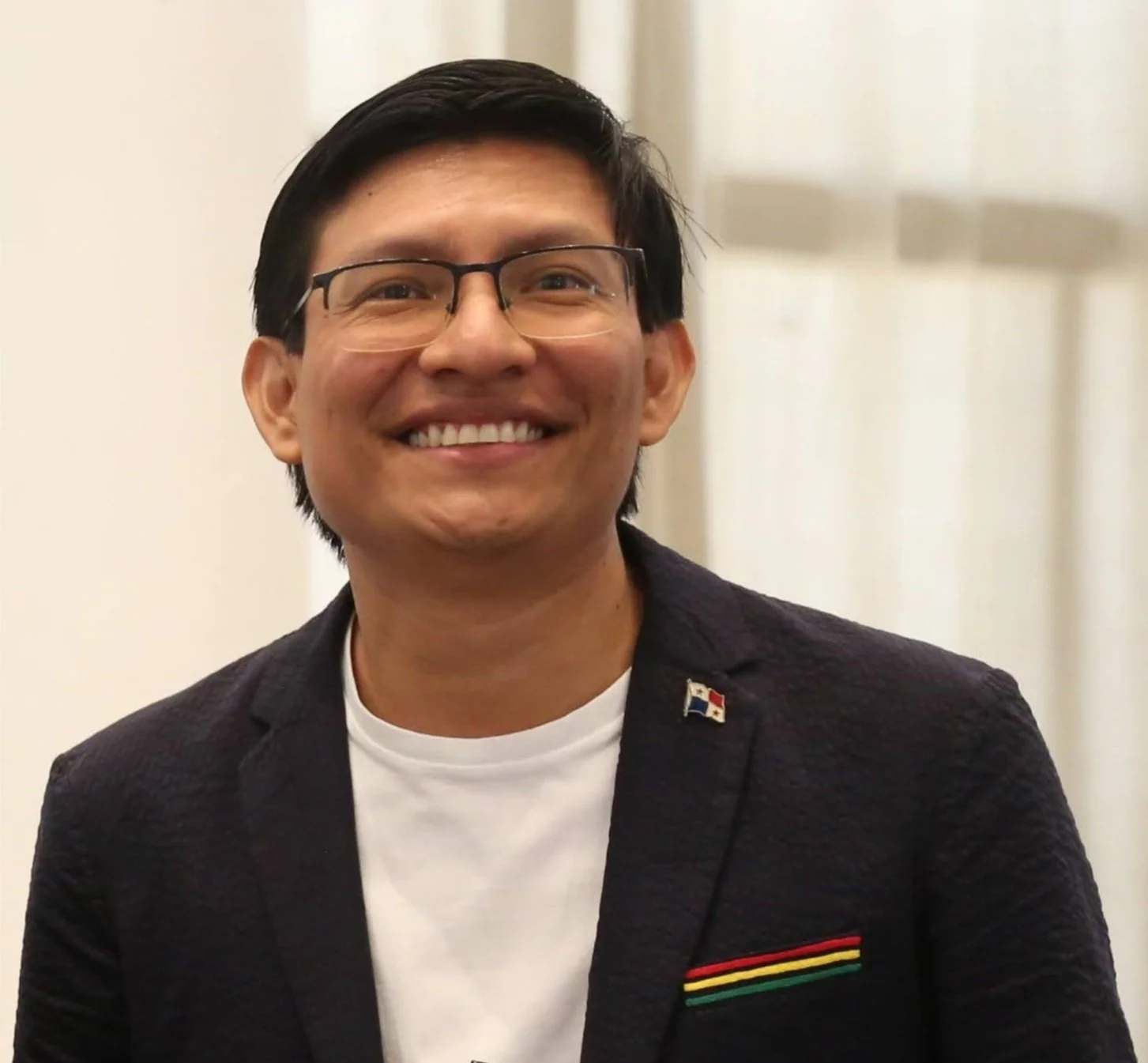
Na! Nuegambi ! (Hi in Gunadule Language [Panamá & Colombia]). Lenín is Gunadule and a PhD student in the Department of Environmental Health at the Universidade de São Paulo (USP-Brazil). His work focuses on the Gunadule indigenous people from the Comarca Gunayala in Panama, where one of the island communities was forced to relocate to the mainland due to climate change. Through his proposed participatory research project, Lenín aims to investigate the Nexus water, energy, and food as they relate to the Gunadule people's environment and livelihood. Furthermore, Lenín holds a bachelor’s degree in water and environmental management from the Universidad de Panamá (UP-Panamá), as well as a master’s degree in environmental education from the Universidade Federal do Rio Grande (FURG-Brazil)
Lenin Morales
LinkedIn
Prof. Leandro Giatti
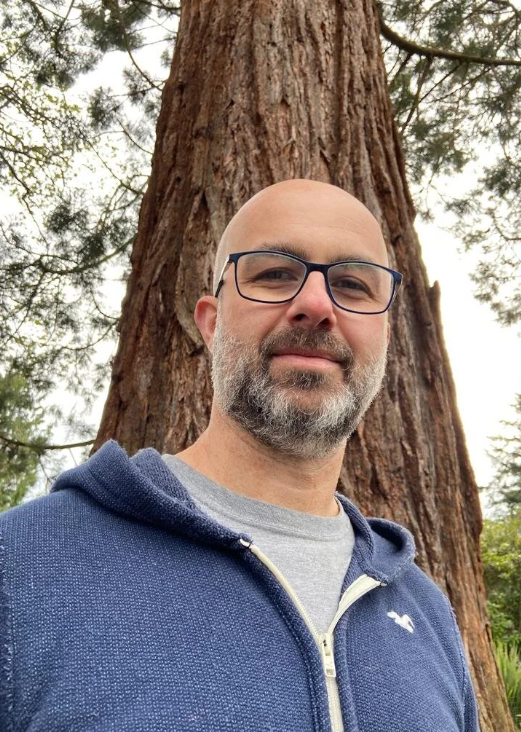
Leandro Giatti is an associate professor at the School of Public Health – University of São Paulo (USP). He is a biologist and PhD in Public Health. Giatti has international expertise with sustainability and public health, health promotion, and participatory research approaches. His experience characterizes through interdisciplinary studies and with the main efforts dedicated to socioenvironmental vulnerable groups. He is a member of the Institute of Advanced Studies at USP, and associate editor of the journal Ambiente & Sociedade (SCIELO). In his academic research projects, he has advised thesis and dissertations of graduate students and also has supervised post-doctoral partners.
Prof. Crystal Tremblay
Crystal completed her MA in 2007 and PhD in 2013 with the CBRL, working as a Research Assistant with the Participatory Sustainable Waste Management project in Brazil and other local projects with the binning community in Victoria and Vancouver. Her work has been strongly rooted in the investigation of innovations in community-driven development, participatory governance and public policy related to waste, sanitation and water with informal and underserved communities in urban Canada, Brazil, Ghana, Kenya and South Africa. The integration of creative visual methodologies, and use of participatory video in particular, has been at the heart of her research and engagement approach. She is currently an Assistant Professor in the Department of Geography and Special Advisor on Community Engaged Scholarship at the University of Victoria. She has published widely on topics related to community university research partnerships, training in community-based research, social innovation and participatory policy in water and waste governance. for more information please visit her website: www.crystaltremblay.com


Dr. Sayed Mohammad Nazim Uddin
Dr. Uddin is currently working as a Visiting Research Associate in the CBRL-UVic and managing research projects in Bangladesh on 'Waste and Sanitation Hazards in Rohingya Refugee camps' and 'Livelihood and Health Status of Waste Pickers in Dhaka.' He has also been teaching as a Sessional Lecturer at UVic's Geography since 2017. He worked as a Postdoctoral Fellow with Jutta Gutberlet during 2016 and 2018 and involved in several research projects in the fields of Environmental Health. Moreover, he is an Assistant Professor of Environmental Sciences at Asian University for Women (AUW) in Bangladesh. AUW is the first of its kind: a fully independent regional institution dedicated to women's education and leadership development—global in outlook (American Style liberal arts and science) but rooted in the context and aspirations of the people of Asia. With an International Research Funding from Action Contre la Faim (ACF) International France, Dr. Nazim completed his Ph.D. from the University of Science and Technology Beijing (USTB), China. Additionally, he held Research Project Manager and performed graduate supervision and mentoring during his Ph.D. tenure at USTB. He has more than 15 years of experience in research, teaching, scientific supervision, and mentoring, development, and implementation. Over 40 scientific peer-reviewed journal articles, international conference proceedings, technical reports and guidelines, policy briefs, and compendium have already been published by him in the fields of Environmental Health, Water, Sanitation, and Hygiene (WASH), Waste Management, Wastewater Treatment, Humanitarian Science and Engineering.
PAST Members

Kosar Movahedi
Kosar Movahedi is a visual artist and communications designer.
Kosar holds an MFA in Visual Arts from the University of Victoria, Victoria, BC and a BSc in Architecture from University of Tehran, Tehran, Iran. Their work has resulted in solo and group exhibitions
in Canada, Iran and the UK.
Charles Amartey
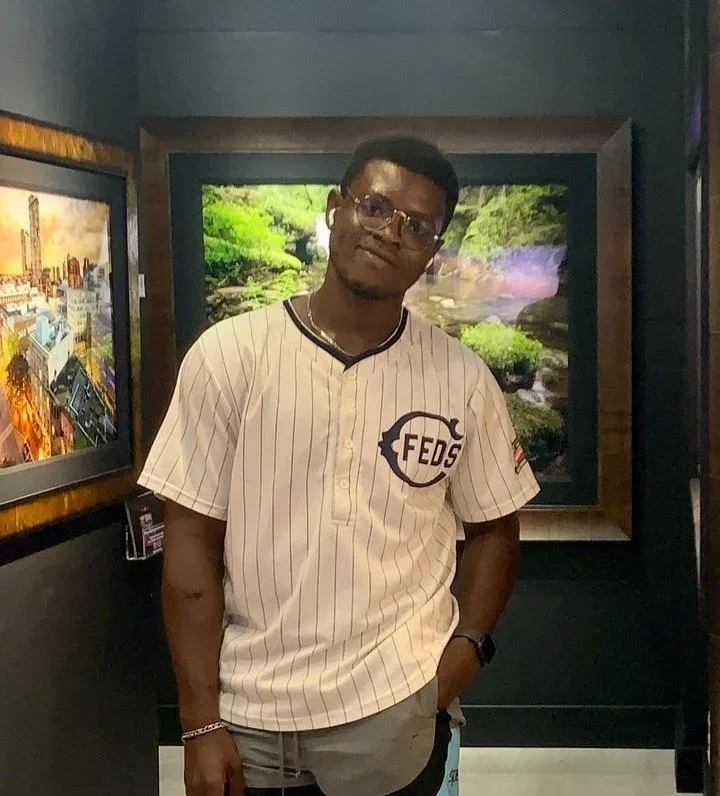
Charles was born and raised in Accra, a city known for its intriguing blend of cultures. He was always interested in the ways that art might be incorporated into many contexts and how different artistic concepts may coexist in one work. As an artist, he creates fictitious and abstract works of art by fusing scientific concepts with artistic expression. His work also emphasizes the great diversity of life on Earth as well as the beauty and intricacy of ecosystems. depicting a range of species in his artwork to highlight how all life is intertwined, from microbes to plants and animals. displaying at Ghanaian museums and galleries and in the United Kingdom, respectively. He attended the prestigious Kwame Nkrumah University of Science and Technology, where he earned his bachelor's degree in fine arts. He was also a member of the BlaxTARLINES Community, a Kumasi, Ghana-based incubator for contemporary experimental art. Charles, a Ghanaian bio artist, is presently pursuing an MFA at the University of Victoria.
Judith Anyango Oloko
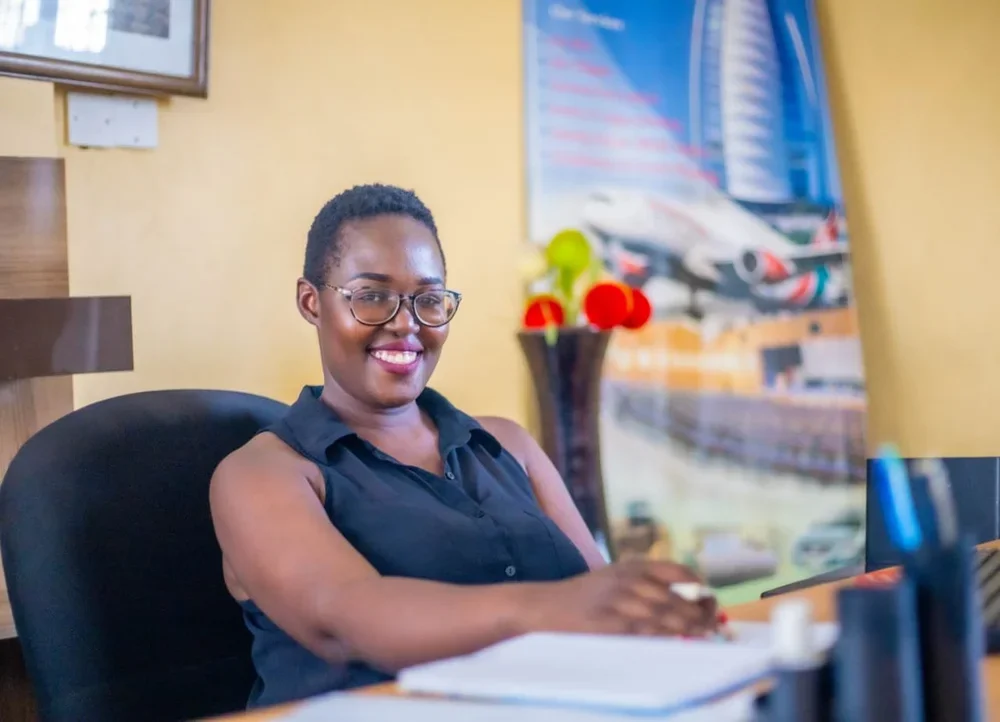
Judith Anyango Oloko is from Kisumu city, Kenya, where she was born and raised. She is a Sociology degree holder from Maseno University and now undertaking her Masters in Sociology from Maseno University. She joined the lab as an exchange student at the University of Victoria doing her research on the IMPACT OF SOLID WASTE MANAGEMENT ON THE LIVELIHOODS OF LOW INCOME POPULATION AND ITS ECONOMIC VIABILITY. Her interest stems from her experience in working at a waste management organization during her internship where she witnessed open dumping and open burning as the main implemented waste treatment in the low income population community. She envisions a complete turnaround of this through her research and partnership with MACCE-a newly registered CBO in Kenya that depicts the concept of circularity from waste generated and recovered in a bid to provide sustainable employment to the youth in the region.
Joseph Minor
Joseph Minor was master's student in our Community-based Research Lab. He is passionate about food waste and will be exploring the community dimensions of waste reduction strategies using a community based research approach. This includes exploring the ways in which community groups actively participate in waste reduction and diversion techniques like separating recyclable materials or recovering food waste. Public and private institutions have the great opportunity to promote a localized circular economy by creating avenues and markets for the valuable materials in the waste stream. Further, using community based research highlights the ways in which we as academics can break down the 'ivory tower' and make the knowledge production processes more accessible. Joe comes from Connecticut, US where he got his bachelor degree in German and Geography while working to recover and redistribute food from university dining services to local communities in need. Green, local initiatives are key to creating a sustainable, more connected community!
Sam Rae Harriss
Sam joined our lab as an undergraduate degree with double majoring in Human Geography and Political Science, with a honors thesis under the supervision of Jutta Gutberlet. Her studies, personal travels, and specific interests in sustainability, power relations, workers’ rights, and planning have inspired her honors research, studying community-based waste management solutions in Turkey. Within her research Sam aims to focus on issues of labor rights, circular economy, and participatory governance and planning in order to explore solutions.
Sam is looking forward to continuing to learn about the multifaceted and complex issue of waste management and excited about contributing to the research being done in the Community-Based Research Laboratory.
Danae Zachari
Danae recently completed her MA in Human Geography, where her research centered on critical and decolonial approaches to health equity and environmental justice. Grounded in Community-Based Participatory Research (CBPR), her work foregrounds the co-production of knowledge and relational methodologies that value lived experience and community expertise.
Danae’s research journey began with an interest in WASH (Water, Sanitation, and Hygiene) and Waste Management issues in the Koforidua Zongo community in Ghana, where she conducted a pilot community mapping study in 2019. With the onset of the COVID-19 pandemic, her work shifted focus, yet remained rooted in her commitment to participatory, community-engaged inquiry.
Her final thesis explored the material, cultural, and relational factors that foster health, wellbeing, and sustainable livelihoods in the Koforidua Zongo community. Drawing on in-depth conversations and photo-narratives with community members, Danae highlighted how shared values, cultural practices, and social cohesion promote collective thriving and mutual care. The study offers a counter-narrative to dominant deficit-based representations of Zongo communities, illuminating the richness, resilience, and interrelations that characterize everyday life in Koforidua Zongo. Through collaborative analysis and knowledge sharing—including the co-creation of a short film—the thesis contributes to the growing body of research advancing ethical, community-driven research.

Lili Munn
Lili (she/her) joined our lab as an undergrad student at UVic in Geography with a minor in Indigenous Studies. She grew up and lives on unceded lands and water of the lək̓ʷəŋən and WSÁNEĆ peoples. Lili is interested in how community-based research practices can make tangible concepts like intersectional sustainability and circular economies. In September, she will begin her honors project working with the Diverters Foundation in Victoria on strategies that can be used to empower local waste pickers and diverters in the DF in a way that benefits their work and reduces the social and economic barriers faced by this community. She is excited to be developing this research in partnership with the DF and for the opportunity to conduct research with this organization.
Andre Redivo
Andre Redivo is a geographer who did his undergraduate at the University of Brasilia. He has a strong background in GIS, spatial database management and spatial analysis. He worked as a consultant for several UN agencies such as UNDP, UNESCO and PAHO, as well as in the Presidency of the Republic of Brazil and in the Brazilian Ministries of Environment, Tourism, Transport and Justice. His work aimed to support decision makers within the Brazilian government through the development of applications and methodologies based on open source software in order to subsidize the elaboration of public policies. Currently he is a Masters student at the University of Victoria, interested in the waste pickers cooperatives and the global carbon market.


Katya Leslie Adams
Building on previous work that highlights the key role of Diverters — Victoria’s locally organized waste pickers — in driving Circular Economy flows, Katya’s research in connection with the Community Based Research Lab (CBRL) at the University of Victoria explored the potential impact these actors could have on advancing holistic sustainable development within Victoria’s local food systems. The study included interviews with representatives from industry, municipal government, and non-profit organisations, as well as a solutions-based focus group involving Diverters and members of the Food Share Network, to evaluate the feasibility of integrating Diverter services into Victoria’s food recovery web. The research found that Diverters are best positioned to address a transportation niche within food redistribution systems, thereby enhancing the resilience and flexibility of regional food diversion programs as well as demonstrating the innovative potential of collectivised waste pickers. Equally significant were the broader socio-cultural benefits that were found to be associated with the implementation of such an initiative, which indicate that Diverter involvement in food recovery could foster greater inter-organizational collaboration; encourage sharing economies; improve public education; as well as legitimise, destigmatize and make visible waste picking work — ultimately contributing to greater community cohesion. Complementing previous studies conducted within the CRBL, this research underscores the importance of empowering and including waste pickers within Circular Economy transitions to (co)create waste management systems that are not only environmentally sustainable and economically profitable, but also socially regenerative.
Juliana Amauchi
Before coming to Canada and settled in Victoria to pursue further education at the University of Victoria, Juliana has completed her first degree in Nutrition in the Universidade Estadual Paulista (UNESP) with 5 years of working experience at her native country, Brazil. Juliana joined CBRL recently in 2018 as a research assistant while she continues to pursue her second bachelor degree in (BA)Geography. Because of her deep interest in waste management, sustainability of natural resources, and social justice, Juliana has been volunteering at the UVSS Food Bank & Free Store, as well as recently started to become engaged in events at the local Repair Cafe. After obtaining her current BA degree, Juliana plans to continue pursuing her passion for research in Geography by becoming a Masters student, with the research focus on advocating, promoting, and expanding the local Repair Cafe project to make it more accessible for the students and faculty members in the University of Victoria.

Katlyn Keats
Katlyn Keats
Katlyn is extremely passionate about the environment and the ocean. Growing up in Winnipeg, it has always been her dream to move to the west coast to pursue a career in marine conservation. After completing her undergraduate degree in Environmental Science with a focus in Conservation and Biodiversity at the University of Manitoba in 2014, she spent some time in Kenya and Indonesia volunteering in various community outreach and conservation projects. She has a passion for travelling to new places, being outdoors and exploring with her dog.
For her Masters in Geography, she focused on the issue of plastic waste along coastal regions in the Global South. She worked with communities to create more awareness around the issues associated with plastic in the marine environment, and organized beach clean-ups, with the aim to drive policy change in those areas. She is also a member of the Society for Ecological Restoration and Surfrider Foundation here on Vancouver Island.

Dare Sholanke
Dare Sholanke is from Nigeria. He has a Bachelor’s degree in Environmental Management and Toxicology (B.EMT) from the Federal University of Agriculture, Abeokuta, Ogun State, Nigeria. He is currently developing his Masters thesis in the department of Geography. His research interests include waste management, resource management, environmental pollution, and land use planning. He is working on a case study mapping waste governance with waste pickers (binners) in Vancouver and Montreal.
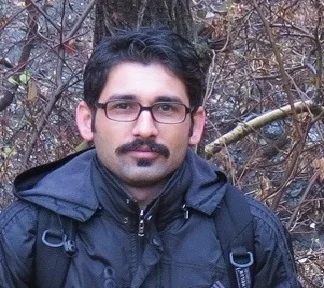
Abdolzaher (Zaher) Ghezeljeh
Abdolzaher or Zaher grew up in Iran and moved to Victoria to pursue his Masters in Geography with Prof. Jutta Gutberlet. He has always enjoyed learning about ecology and community planning, however became particularly attracted with urban agriculture during his master’s degree at the University of Allameh Tabatabai in Iran. Moreover, his bachelor and master’s degrees were urban and regional planning in Guilan and Allameh Tabatabi Universities respectively. For his Masters with Jutta Gutberlet, he will continue urban agriculture in community and city in order to improving sustainability of the cities.
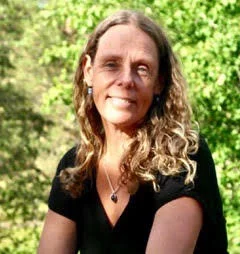
Christine Todd
Christine is a Pakeha (settler), New Zealander, mum and PhD student in critical human geography. She has lived and worked in Aotearoa/New Zealand, Australia, California, and Vancouver Island on the traditional territories of the Ngati Whatua, Yugambeh, Kumeyaay, Lekwungen and Wsanec peoples. Her research draws on Indigenous theory to reconsider the role of geography in the structured repossession of Indigenous lands, resources and cultures. She is also a research assistant in the GIF (Geographic Indigenous Futures) lab, looking at Indigenous actions and responses to Climate Change.
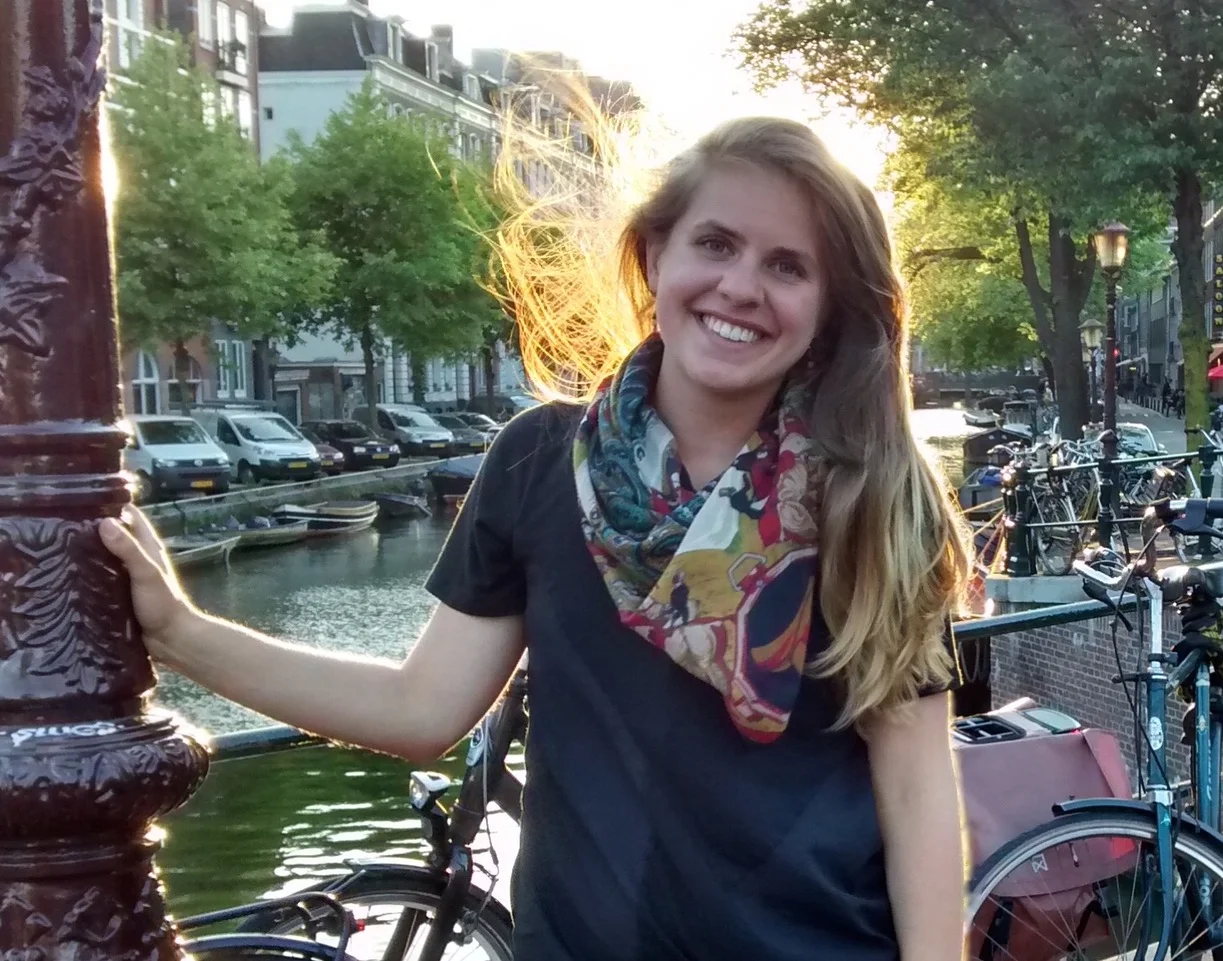
Alicia Fall
Alicia joined the CBRL in 2017 as a research assistant. She is working toward a BSc in Geography with a minor in Economics, at UVic. She has always had a passion for learning about human relationships with the environment and has been involved with various community-based initiatives. As a result of these experiences, she has taken particular interest in the management of water and waste resources. She spent the summer of 2014 working for Engineering and Environmental Services with the Cowichan Valley Regional District, gaining insight into some of the intense challenges facing Vancouver Island. In 2016 she worked with the POLIS Water Sustainability Project, as well as with the BC Housing Community Development program. In 2017 she volunteered at VerdEnergia, an agro-forestry restoration project in Costa Rica. Currently she coordinates the UVic Ecological Restoration Volunteer Network. She is keen to join the community of people working creatively for environmental and economic justice and resilience.
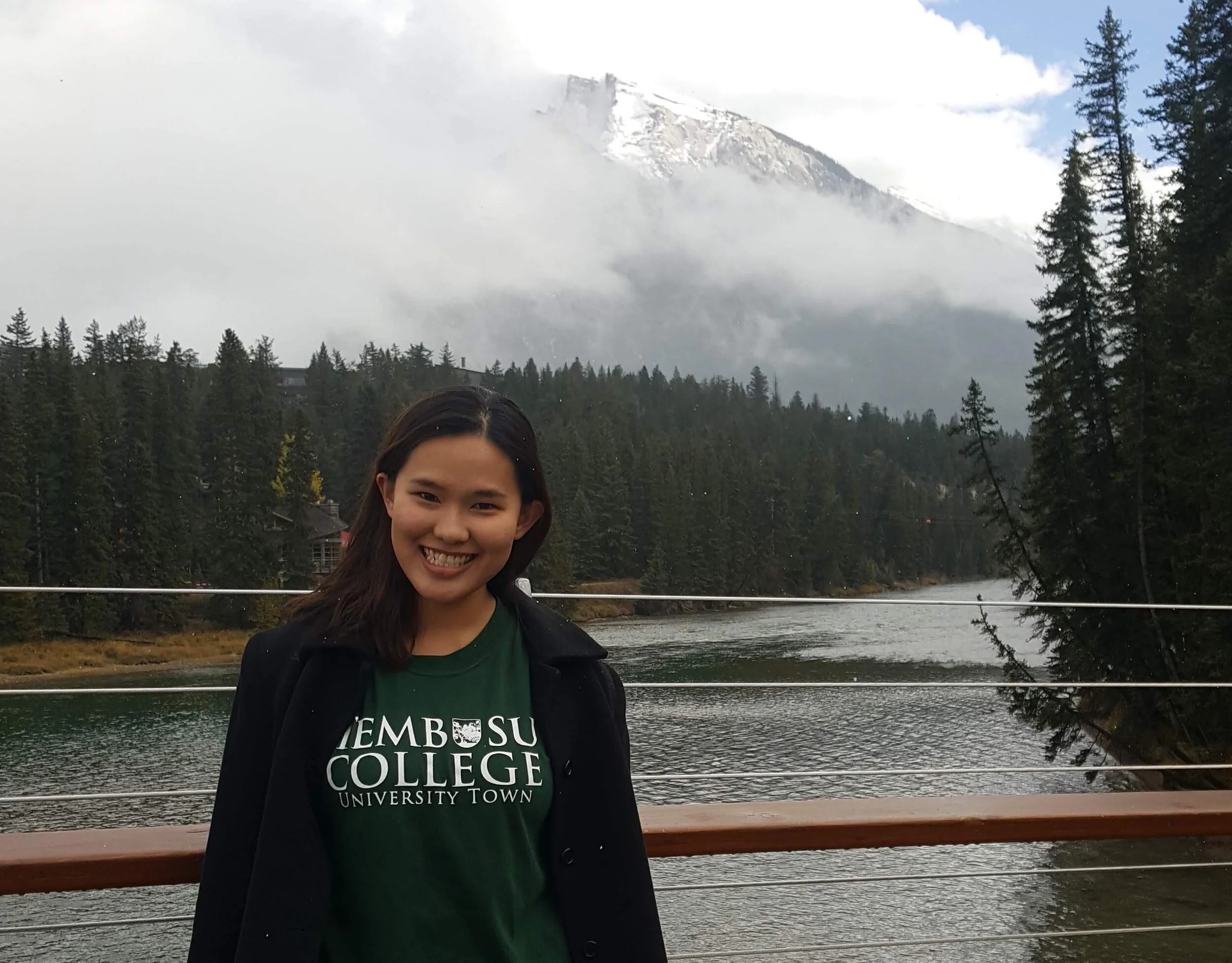
Hilary Ho
Hilary moved from Singapore to pursue her master’s in the department of anthropology at UVIC. During her fieldwork in the Island of Sumba and Flores in Indonesia she witnessed the health and social impacts caused by waste generated from gold and manganese mining. This made her critical of dominant political and economic structures and waste management.
As a member of the Community-based Research Laboratory (CBRL), Hilary advocates for alternative forms of resource distribution and responsible waste recovery through the circular economy. During her work at CBRL she will look at Binners (waste pickers) in Victoria. It is her goal to understand how the community contributes to resource recovery and to understand the challenges Binners face in their work. By working closely with Binners in Victoria, Hilary hopes to break down negative perceptions of Binners in order to attain a more equitable work environment.
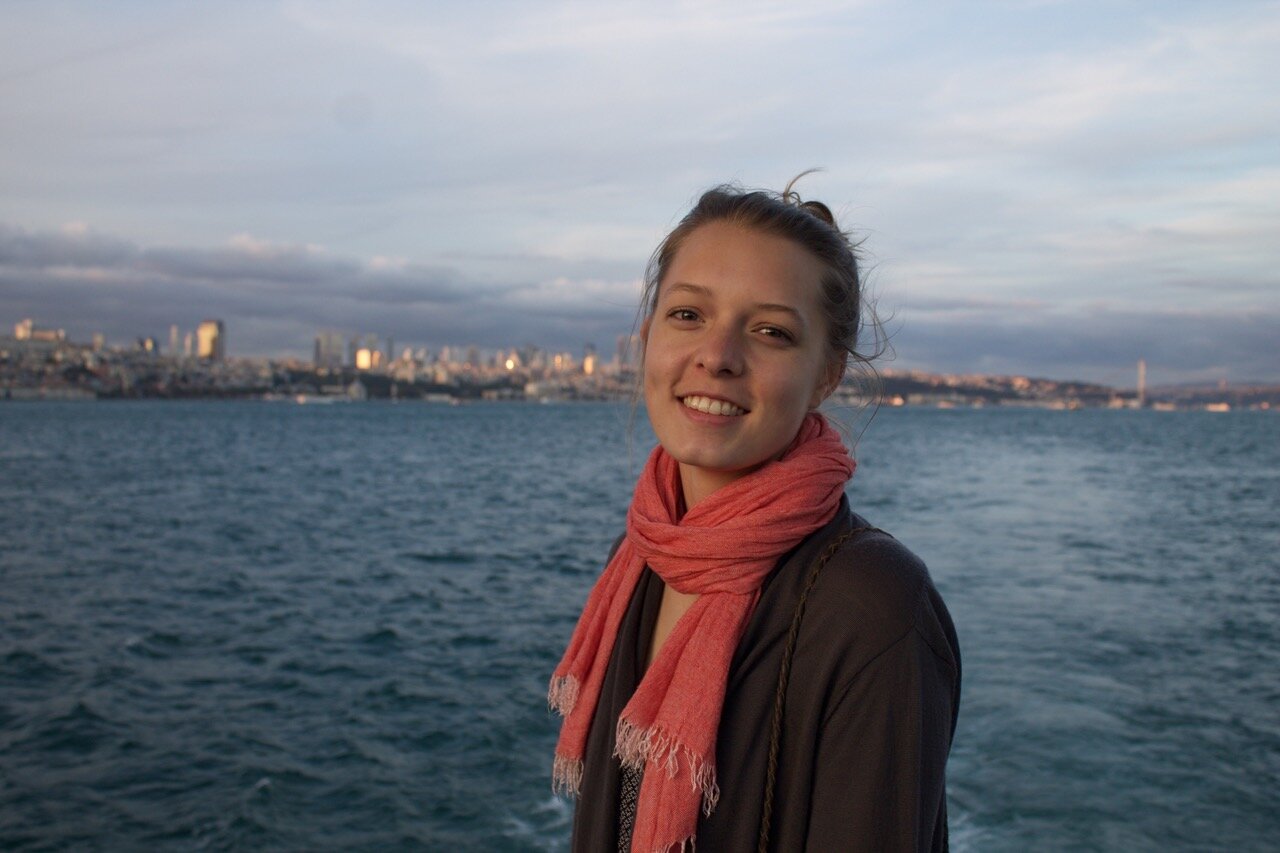
Olivia Martin-Spisak
Olivia is in her final year of a Bachelor of Arts in geography with a concentration in urban health and development and a minor in global development studies. She grew up in California and lived abroad in the Philippines and Belgium before moving to Victoria for university. Going forward she would like to pursue a career in grassroots and community-based development. She is interested in studies of political ecology, migration and refugees, feminist theory, and social justice. She is currently a work study student collaborating with the study on 'plastic waste and informal recycling' in the Community-based Research Lab.
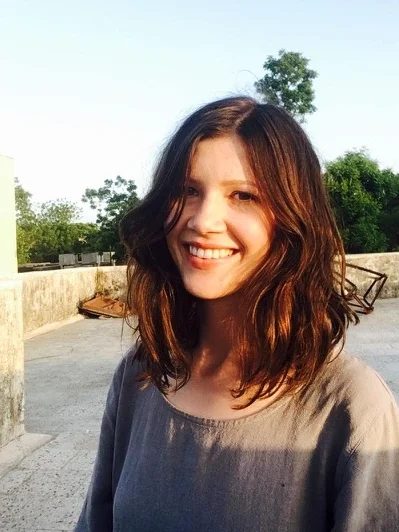
Sasha Mosky
Sasha joined the CBRL in 2018 as a research assistant. She is working towards a double major in Environmental Studies and Geography with a concentration in Urban Health and Development. Her interests revolve around relationships between people and the environment and is particularly interested in sustainability and human/nature hybridity within cities. Sasha became interested in PSWM during an internship with New Delhi based NGO PRIA (Participatory Research in Asia) where she contributed to a study involving waste pickers and solid waste management. She is grateful for the opportunity to integrate this international experience with the CBRL team at UVic.
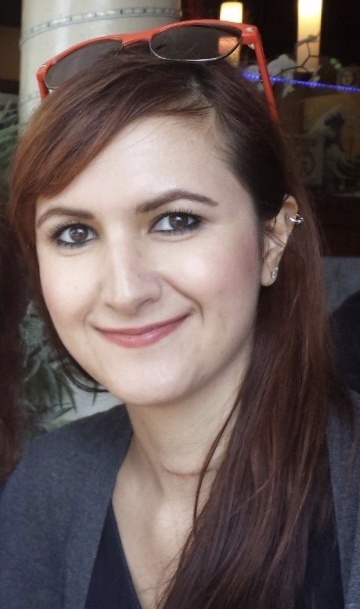
Ana Ramezani
Ana completed her undergraduate studies in Human Geography at Simon Fraser University. She joined the CBRL lab in 2017 to assist with research projects. Her research interests include health hazards associated with recycling and handling waste and ways to improve the health and safety of waste pickers.

Julian S. Yates
Dr Julian S. Yates is currently a Lecturer in Human Geography at Monash University in Australia. After completing is MA in the CBRL at UVic, he completed a PhD and a Post-Doctoral Fellowship at UBC. His MA research in the CBRL explored how organic (food) waste recycling in Diadema (São Paolo) could be upheld by cooperative relationships among recyclers cooperatives, urban gardeners, local residents, and supportive municipal policies and framework. Using urban political ecology, Julian explore the opportunities and constraints for recycling urban amenities in ways that produce more just and sustainable urban environments. His research was published in Environment and Planning A and the Journal of Development Studies.
Since conducting his MA research, Julian has focused on the production and circulation of Indigenous and environmental knowledges, particularly in contexts of rural development and contestation over environmental resources. He received a Discovery Early Career Research Award (DECRA) from the Australia Reseach Council for a project on Indigenous Water Futures, and he is a co-investigator for an inter-disciplinary and industry partnership research project on mapping community organization-supported re-use for a better understanding of the circular economy. Julian’s published work can be found on Academia.
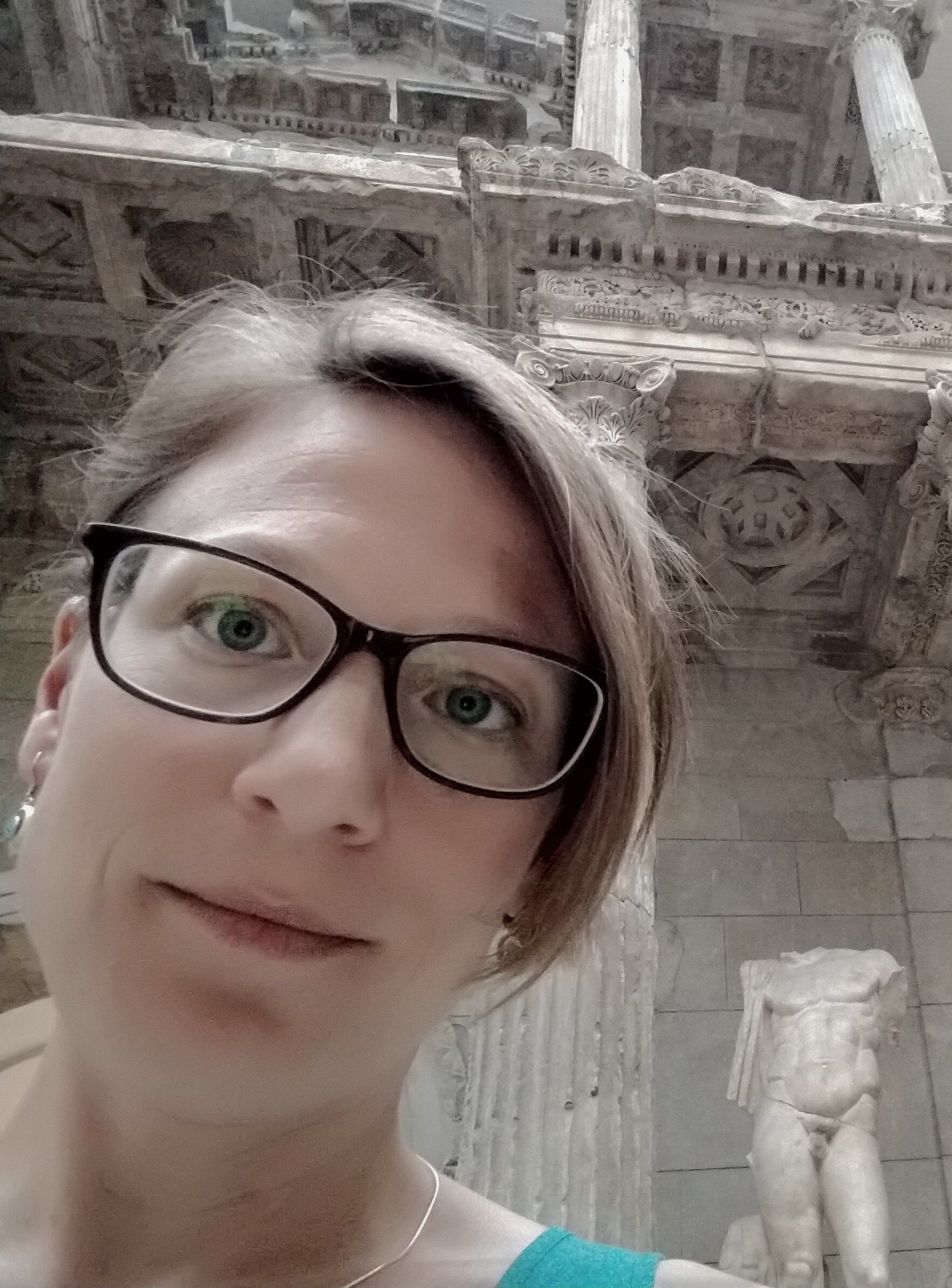
Megan King
Megan first joined the Community-based Research Lab, in early 2009, through UVic’s work study program. Her duties at the time involved data collection for the Global Waste Database project. From September of that year, she continued with the lab as a graduate student, joining the Participatory Sustainable Waste Management project. Within the scope of that project, her research took her to Ribeirão Pires, Brazil, where she conducted a case study of the CooperPires recycling cooperative to evaluate the GHG emission reduction achieved through their work. That study can be found here in English and here in Portuguese. Since graduating with an MA from the Department of Geography (UVic) in 2012, she worked as a research assistant (Earth Observation Department, National Institute for Space Research – OBT/INPE) and then as a freelance editor and Portuguese-English translator while living in Brazil. In the spring of 2019, she relocated to Stirling, Scotland, and now works at a hospital as a patient administrator
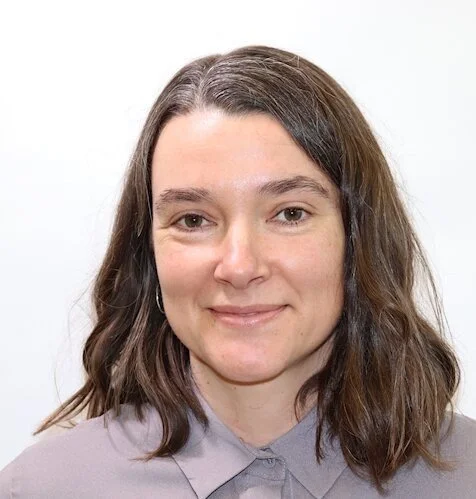
Emma Taylor
Emma is a Registered Professional Planner (RPP) and a full Member of the Canadian Institute of Planners (MCIP) with expertise in land use planning in rural, resource and small island landscapes. Her areas of interest include rural communities, water governance, resource management, active transportation, and parks and protected areas. Emma graduated from the University of Victoria with a Bachelor of Arts (Geography) in 2004 and a Master of Arts (Geography) in 2008 focusing on community-based waste management on small islands. As a member of the Community-Based Research Lab from 2005-08, Emma worked on projects related to waste recovery and homeless populations in Victoria, BC and Sao Paulo, Brazil and sustainable agriculture in Costa Rica. Emma currently works for the Capital Regional District (British Columbia, Canada) and holds certificates from the International Association of Public Participation, the National Charrette Institute, and is enrolled in the Urban Design Certificate program at Simon Fraser University.

Jemma Eason
Jemma is currently perusing her BSC in economics, BA in environmental studies and minor in global development studies at UVIC. Her particular interest in the circular economy started from a ted talk she watched when she was 17. Since then her passion for sustainability has grown and she has worked for several local and international groups with the same ideals. Jemma acted as the administrator for this website.
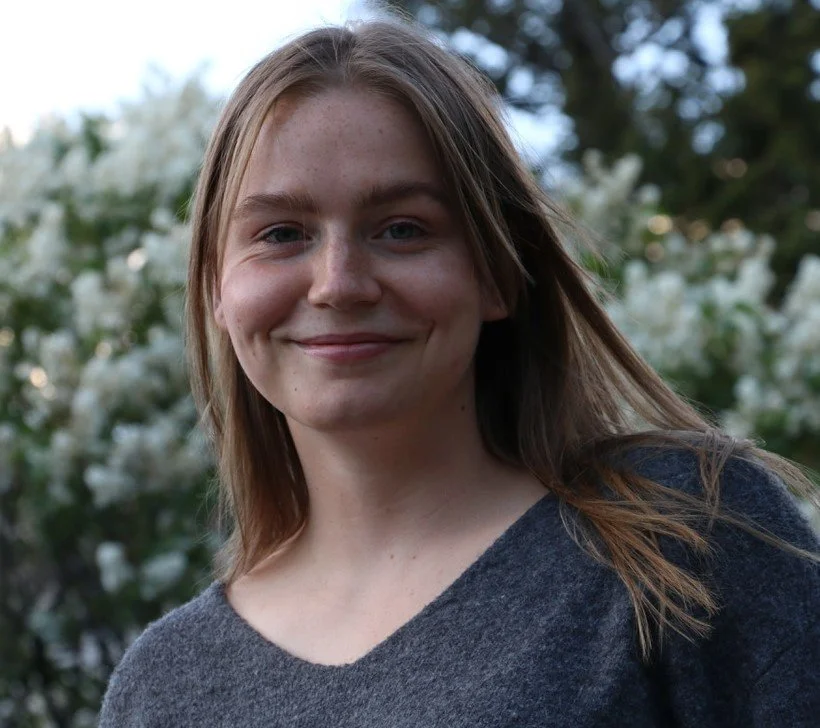
Chloe Spinks
Chloe is working towards her degree in Human Geography, with a minor in Professional Communications. Growing up in Dubai, UAE, Chloe has always been curious about cultural intersections and global power structures, ultimately leading her to pursue research opportunities with the CBRL. Chloe has a goal of making research as accessible and reader-friendly as possible in order to evoke meaningful and culturally relevant change. Her work with synthesizing waste governance research into plain language to reach a broad range of stakeholders has opened her up to the field of planning and sustainability, where she plans to explore a career in the future. In her final years at UVic, Chloe hopes to continue learning as she goes, asking questions, and above all, listening to valuable knowledge from those who have traditionally been excluded from topics of waste and people’s right to the city