Current Projects


UNICATA

A university with and for waste pickers, where informal workers attend educational and training opportunities on diverse topics relating to social responsibility, entrepreneurship, waste management, circular economy, and more to promote sustainable livelihoods.


From Invisible to Counted

Building on previous work that highlights the key role of Diverters — Victoria’s locally organized waste pickers — in driving Circular Economy flows, Katya’s research in connection with the Community Based Research Lab (CBRL) explored the potential impact these actors could have on advancing holistic sustainable development within Victoria’s local food systems.

Sustainable for whom? The waste colonialism hidden in the narratives of thrift stores
Creative Resources for Community Knowledge Co-Creation

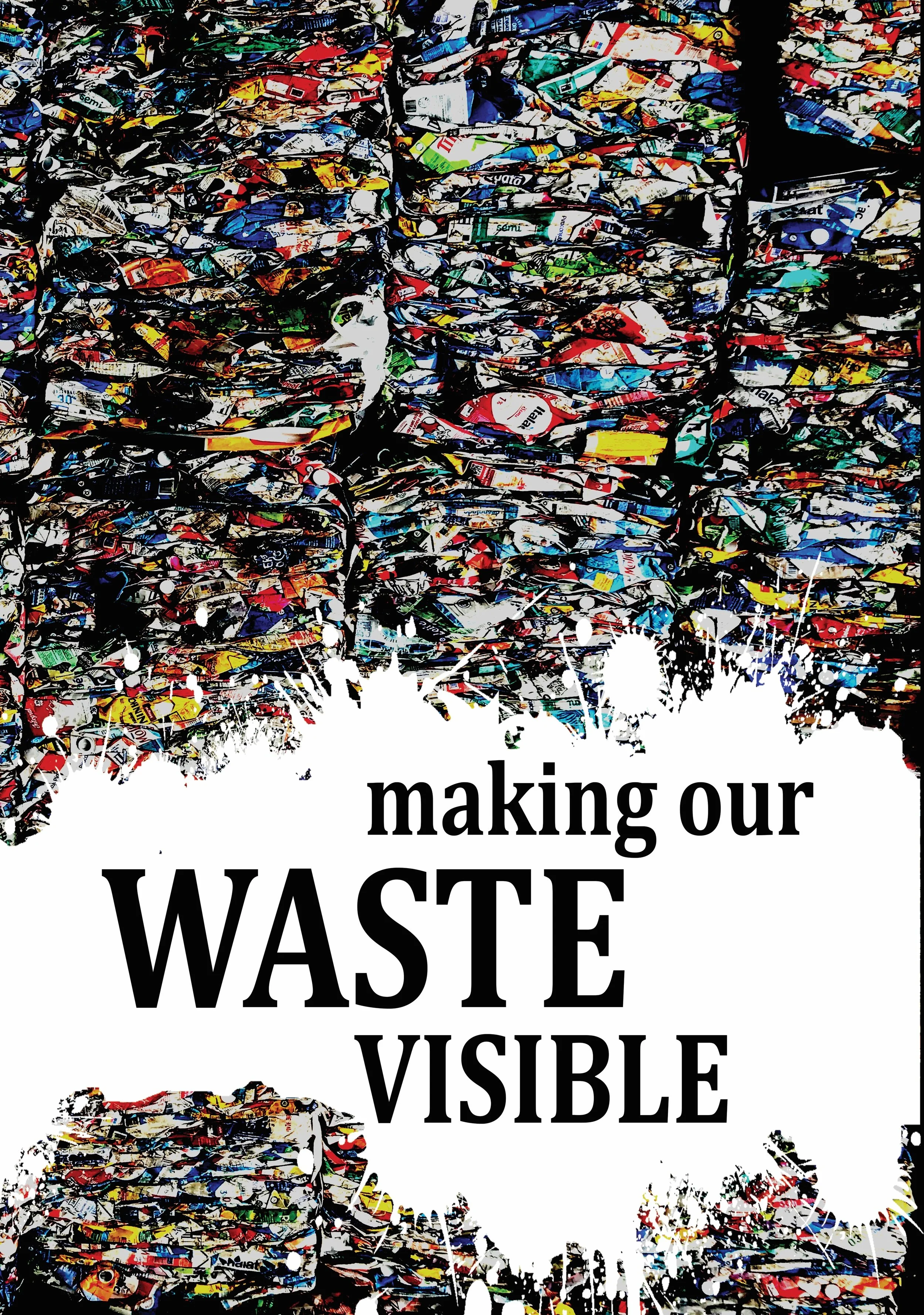
For over 20 years the CBRLab in the Department of Geography/UVic has been involved in numerous research projects with many local and international communities, co-generating knowledge in discard and waste studies and on climate action research.

Youth and Grassroots Engagement in Waste Reduction

Zero Waste is a guiding principle to improve waste management, so that organic materials are redirected into composting or biogas generation and recyclable materials are reinserted into the production chain through proper recycling, maximizing resource reuse and reducing waste going to landfills or dumps. Making producers responsible and consumers aware tackles the root causes of single use and the consequences of discard.

Co-Planning of Climate Adaptation and Just Transition Strategies for Waste Pickers in Brazil

Building Circular Economies through Community-Based Education

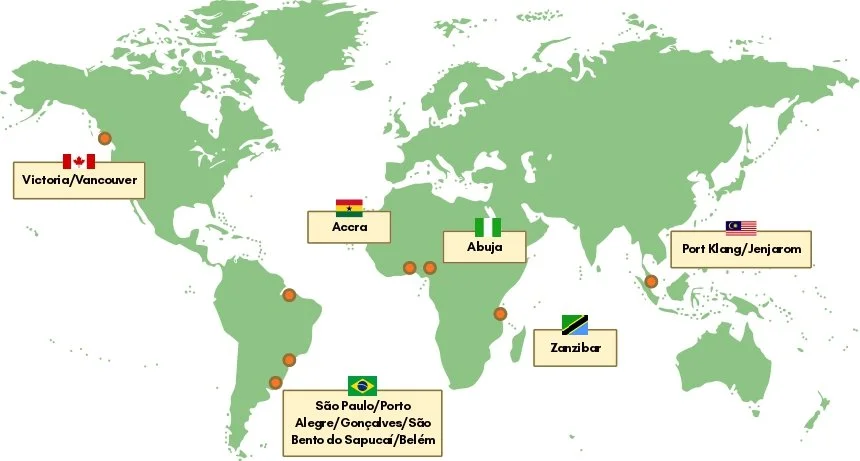
Supporting knowledge translation and knowledge mobilization of research results obtained through empirical studies conducted by the research consortium, in five countries (Argentina, Brazil, Canada, Kenya, Nicaragua, Tanzania), since 2018. The PI, in particular has collected data in Canada and Brazil.

Co-Planning of Climate Adaptation and Just Transition Strategies for Waste Pickers in Brazil

This project aims at examining the challenges that innovative grassroots initiatives and networks encounter and the livelihood practices they generate, to improve recycling and household waste management in informal settlements of global South cities.
 

past Projects


Diverter’s Collaboration

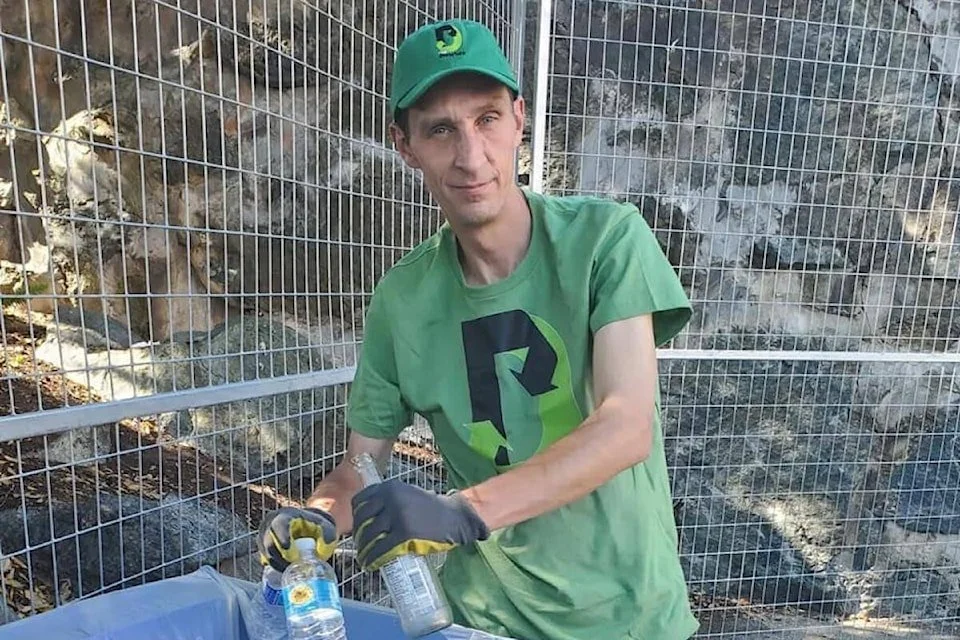
Building on previous work that highlights the key role of Diverters — Victoria’s locally organized waste pickers — in driving Circular Economy flows, Katya’s research in connection with the Community Based Research Lab (CBRL) explored the potential impact these actors could have on advancing holistic sustainable development within Victoria’s local food systems.

Recycling Networks

This project aims at examining the challenges that innovative grassroots initiatives and networks encounter and the livelihood practices they generate, to improve recycling and household waste management in informal settlements of global South cities.


Sharing Waste Governance Research

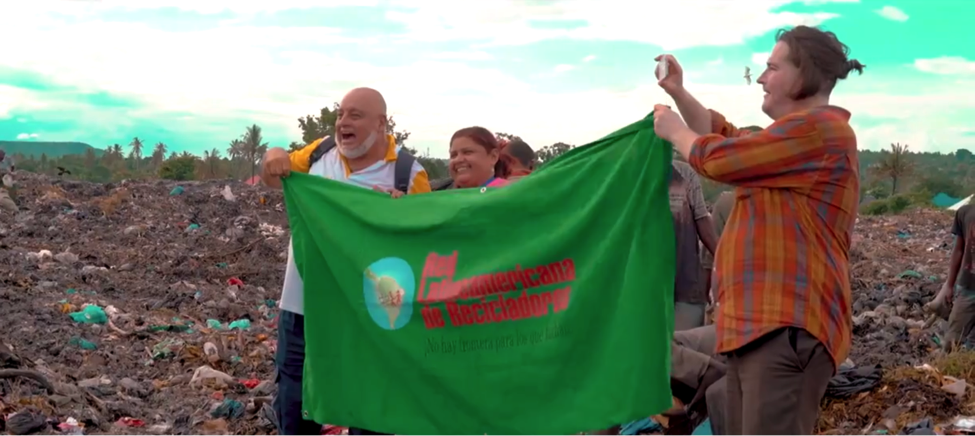
Supporting knowledge translation and knowledge mobilization of research results obtained through empirical studies conducted by the research consortium, in five countries (Argentina, Brazil, Canada, Kenya, Nicaragua, Tanzania), since 2018. The PI, in particular has collected data in Canada and Brazil.


Mapping Waste Governance
Project

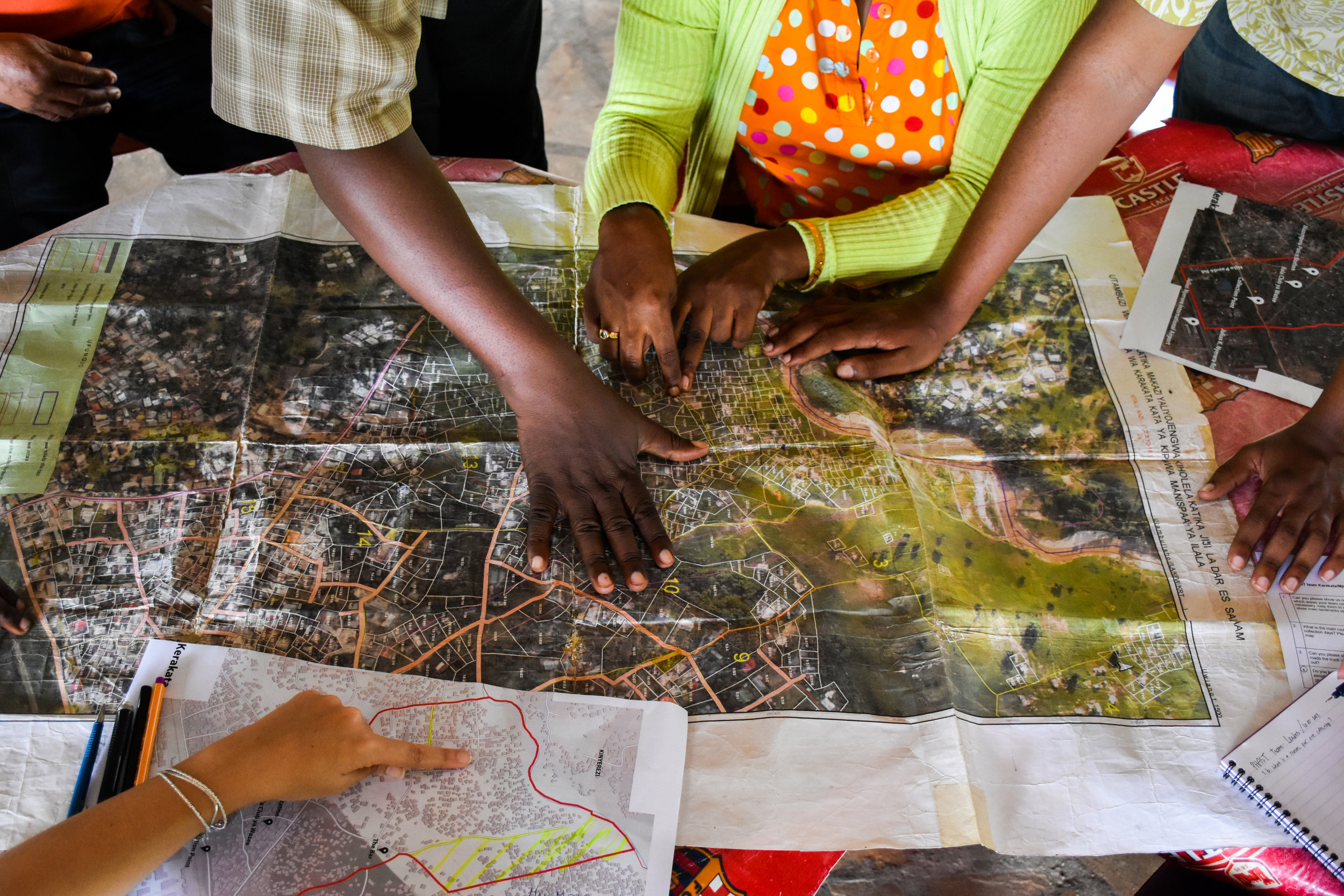
This partnership development project seeks to identify, examine and document grassroots social innovations and challenges in waste governance in different geographic regions. We captured multiple narratives and usedinterdisciplinary approaches to formal and informal household waste management.

Arctic Global Changes & Youth

CBRL’s past PhD student Maeva used a participatory video to engage Inuvialuit youth in Tuktoyaktuk, Northwest Territories on global changes affecting them.

Bangladesh Baseline Study

Rapid assessment of health and livelihood situations of waste pickers in Dhaka City, Bangladesh: participatory action research to assess the health risks and the livelihood status of waste pickers in Dhaka city in Bangladesh.

COVID-19 & Waste Workers

Waste pickers often work in the streets or at dumps, where they don’t have access to running water, soap or sanitizer. Sometimes they even lack these at home. Most often they do not have masks or gloves to protect themselves during the work. We developed research on the impact of Covid-19 on waste pickers and their resilience.

Roadmap to Zero Plastic Waste

In an effort to reduce the flow of plastic entering the ocean, The Pew Charitable Trusts recently launched a project that aims to develop a global roadmap of the economically and politically viable steps needed to solve this problem.

Mongolia Baseline Study

Informal recyclers in a long winter cold country with fast growing economy: A perspective from Mongolian solid waste management systems. The research seeked to establish baseline data on the state of the livelihoods, recycling activities and health status of informal recyclers in Ulaanbaatar City and in peri-urban Ger areas (informal settlements) in Mongolia.

Sanitation and Waste-borne Hazards & Issues

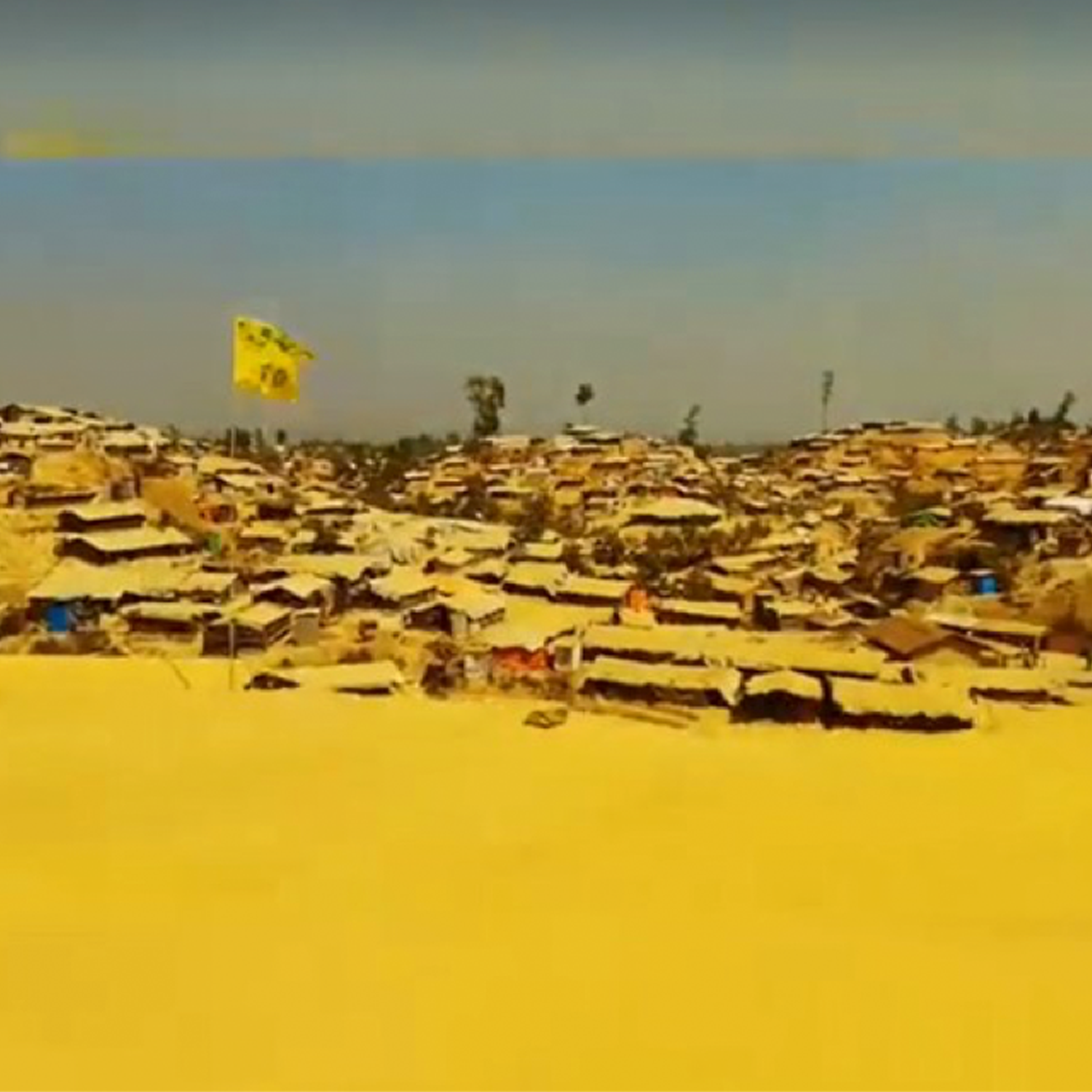
CAPI Faculty Research Grant: Exploring Sanitation and Waste-borne Hazards and Issues in Rohingya Refugee Camps in Bangladesh: A Scoping Study. This study explored the sanitary and waste management hazards and issues in the Rohingya refugee camps in Bangladesh by using participatory qualitative research methods.

Waste Policies

Exploring Policies and Innovative Financing Mechanisms for Resource Recovery and Recycling Cooperatives: This project developed two case studies on social innovation in waste management in Argentina and Brazil.

Participatory Sustainable Waste

Participatory sustainable waste management (PSWM) presents one option available for dealing safely with non-contaminating waste; in this case, solid recyclable waste, which can be used as a rich resource for income-generation. By collecting recyclable material, community members are able to boost their personal incomes while also contributing to a more healthy and sustainable local environment.