
Our partners
Brazilian Waste Pickers Movement (MNCR)
Brazilian Waste Pickers Movement (Movimento Nacional dos Catadores de Materiais Recicláveis). Since 1999, the National Movement of Waste Pickers (MNCR) has organized waste pickers, catadores, that collect recyclable materials in Brazil.
Centre for Global Studies (CFGS) - University of Victoria
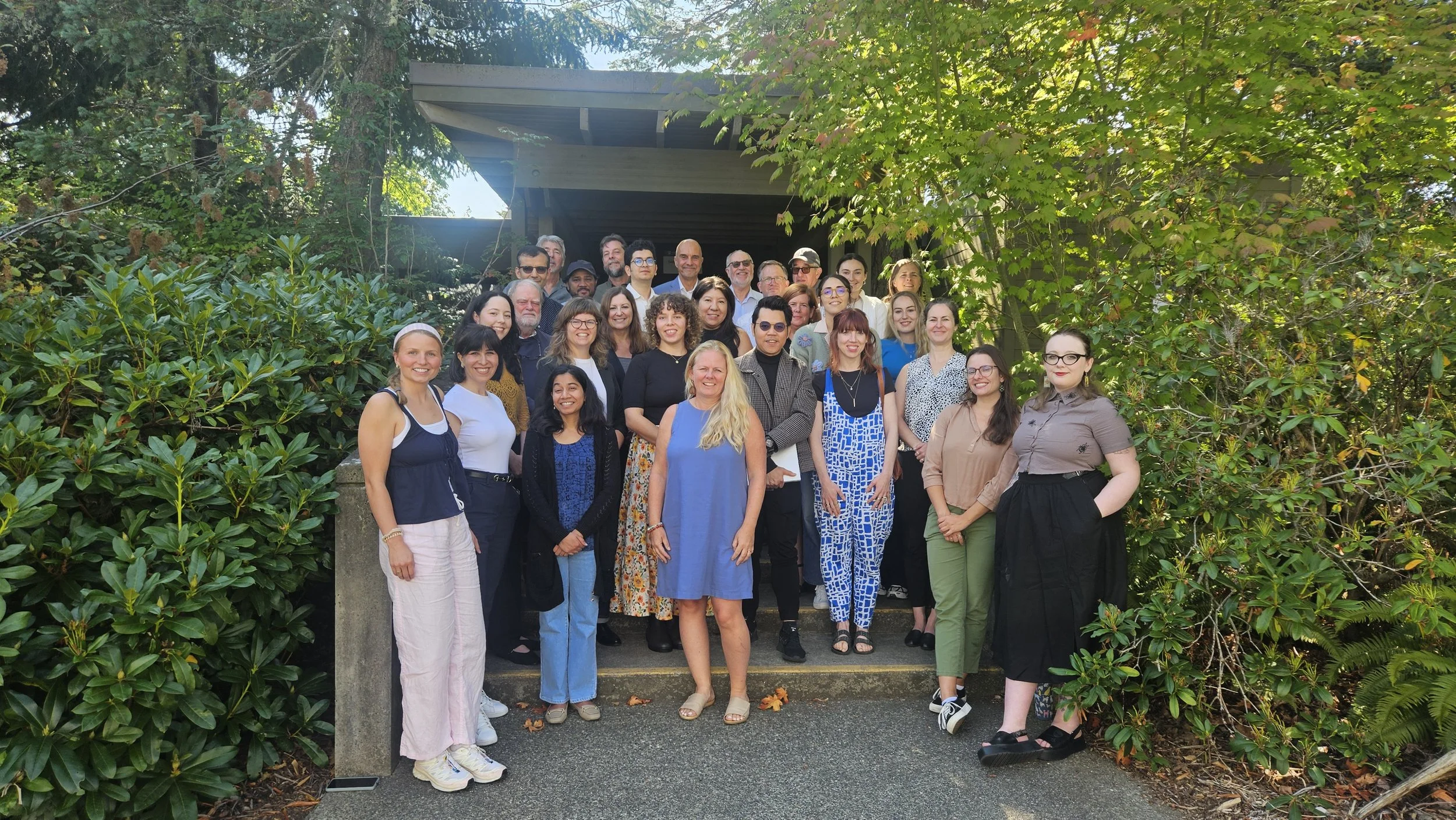
CFGS research considers the nexus of the local and global—how local concerns have global effects and how global issues manifest at the local level. Our fellows and researchers are exploring issues vital to people, places, policy and the planet and are making an impact around the world.
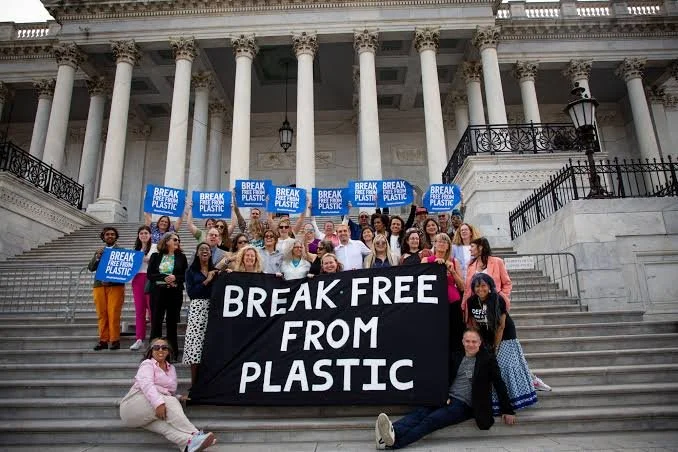
Break Free From Plastic
#breakfreefromplastic is a global movement envisioning a future free from plastic pollution. Since its launch in September 2016, nearly 1,500 organizations from across the world have joined the movement to demand massive reductions in single-use plastics and to push for lasting solutions to the plastic pollution crisis.
UNESCO Chair in Community Based Research and Social Responsibility in Higher Education - DECODE Knowledge Project
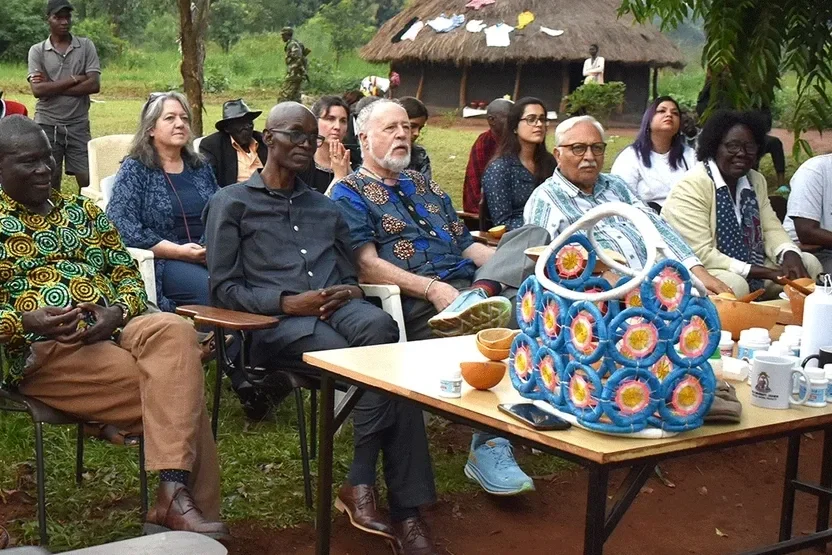
Based at the University of Victoria (UVic) and the Society for Participatory Research in Asia (PRIA), this Chair is co-directed by Dr. Budd L Hall and Dr. Rajesh Tandon. The UNESCO Chair supports North-South-South and South-South partnerships that build on and enhance the emerging consensus in knowledge democracy. It co-creates new knowledge through partnerships among universities (academics), communities (civil society) and government (policy makers) leading to new capacities; new solutions to pressing problems related to sustainability, social and economic disparities, cultural exclusion, mistrust and conflict; and awareness among policy makers; enhanced scholarship of engagement; and of social responsibility in Higher Education.
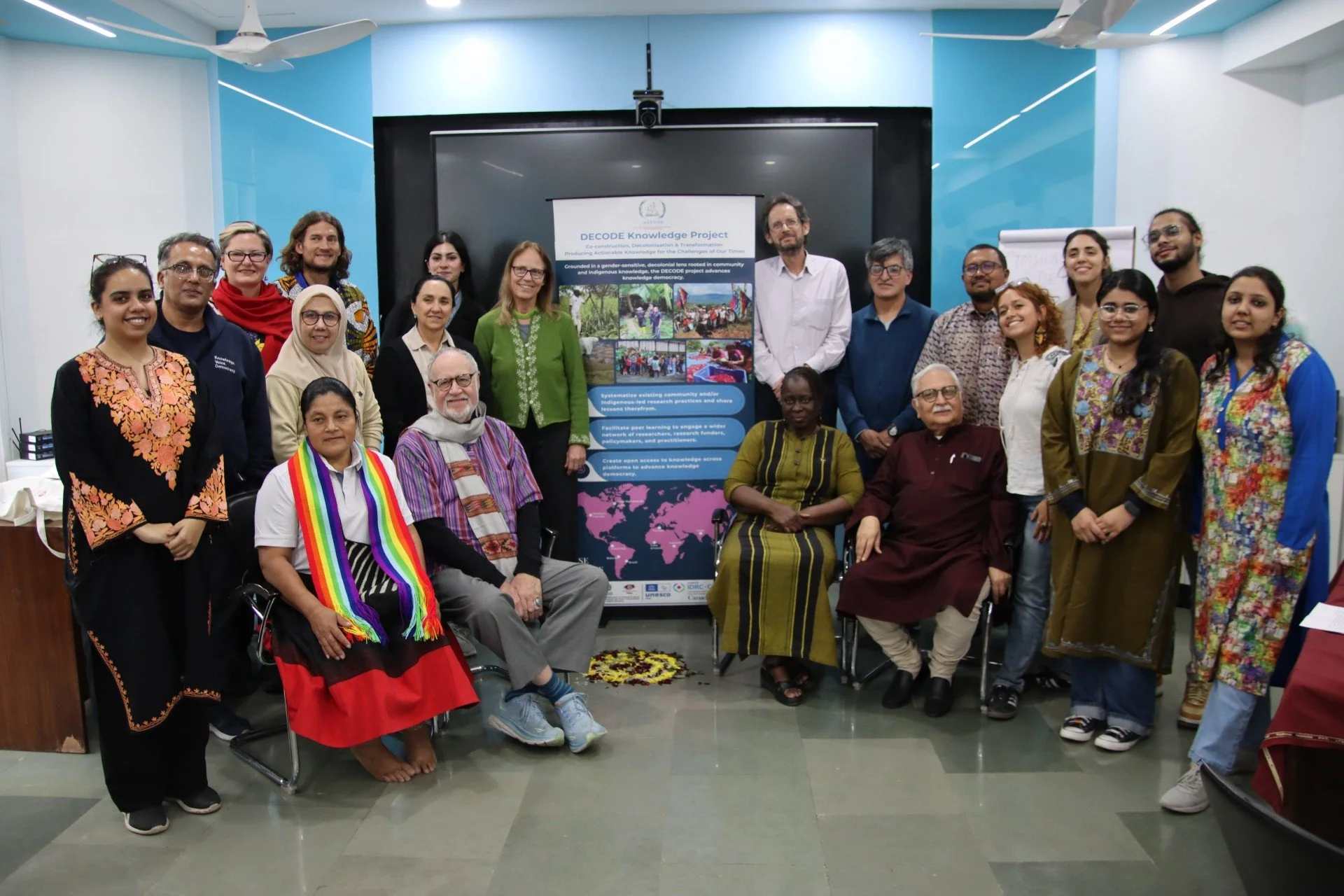
DECODE Knowledge Project
The DECODE is a project led by the UNESCO Chair for Community-Based Research and Social Responsibility in Higher Education and funded by the International Development Research Centre (IDRC). Through a collaborative process of peer learning, collective reflections, and systematization, the project brings together the co-chairs of the UNESCO Chair in CBRSR and the Knowledge for Change Consortium. This collaboration extends to global networks of community, academically trained professionals, and Indigenous-led research practitioners, enriching our understanding of the principles, policy implications, and supportive infrastructures necessary for advancing community and Indigenous-led knowledge movements.
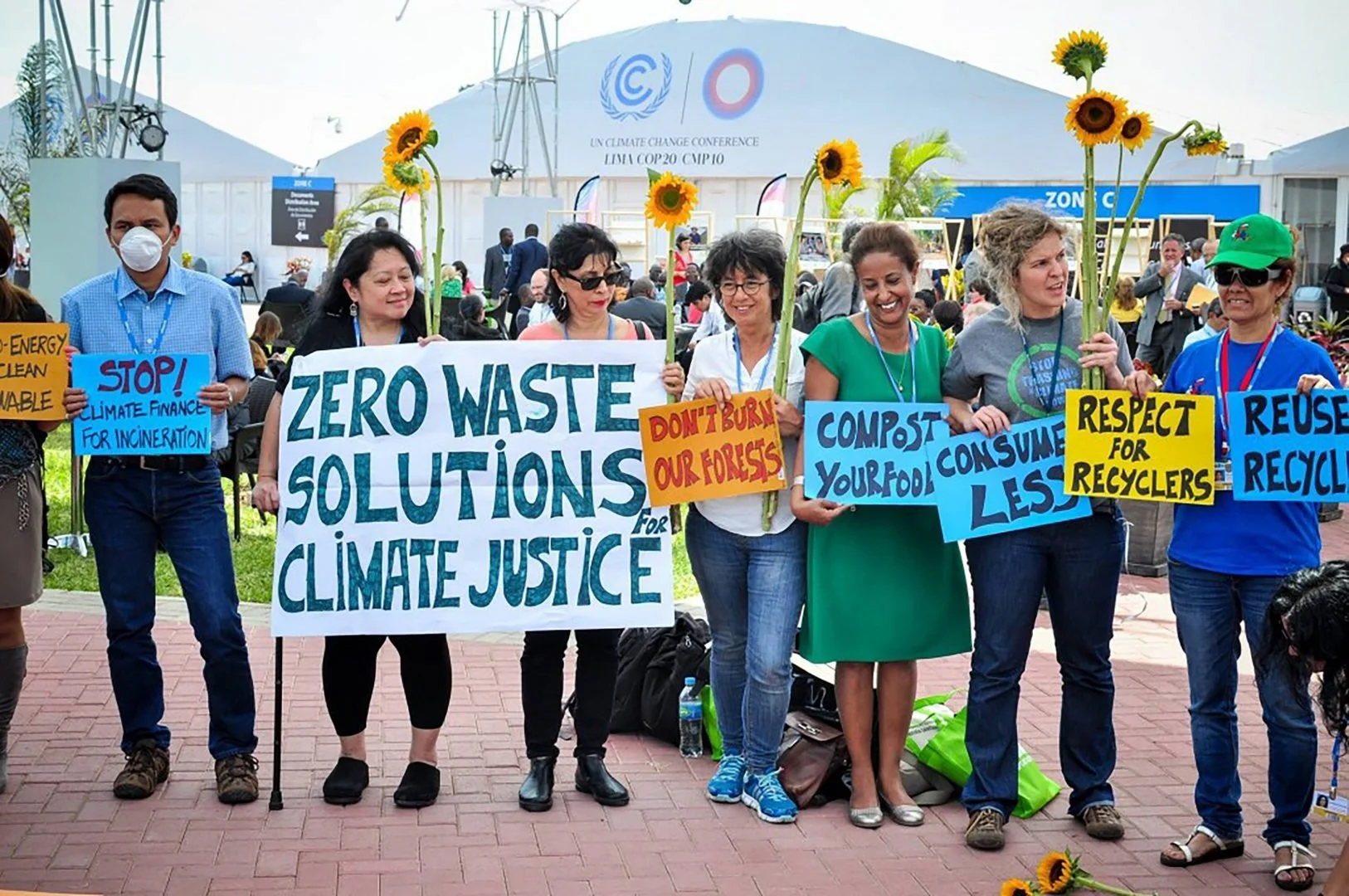
GAIA
GAIA and their members are global leaders in advancing visionary, win-win solutions to waste and pollution that protect the environment and human wellbeing and build strong, participatory local economies.

International Waste Working Group
Informal recycling is a widespread income generating activity practiced particularly in the global South. Here approximately 1% of the population is involved in solid waste collection, separation and recycling.
WWOSH (Waste Workers Occupational Safety and Health)
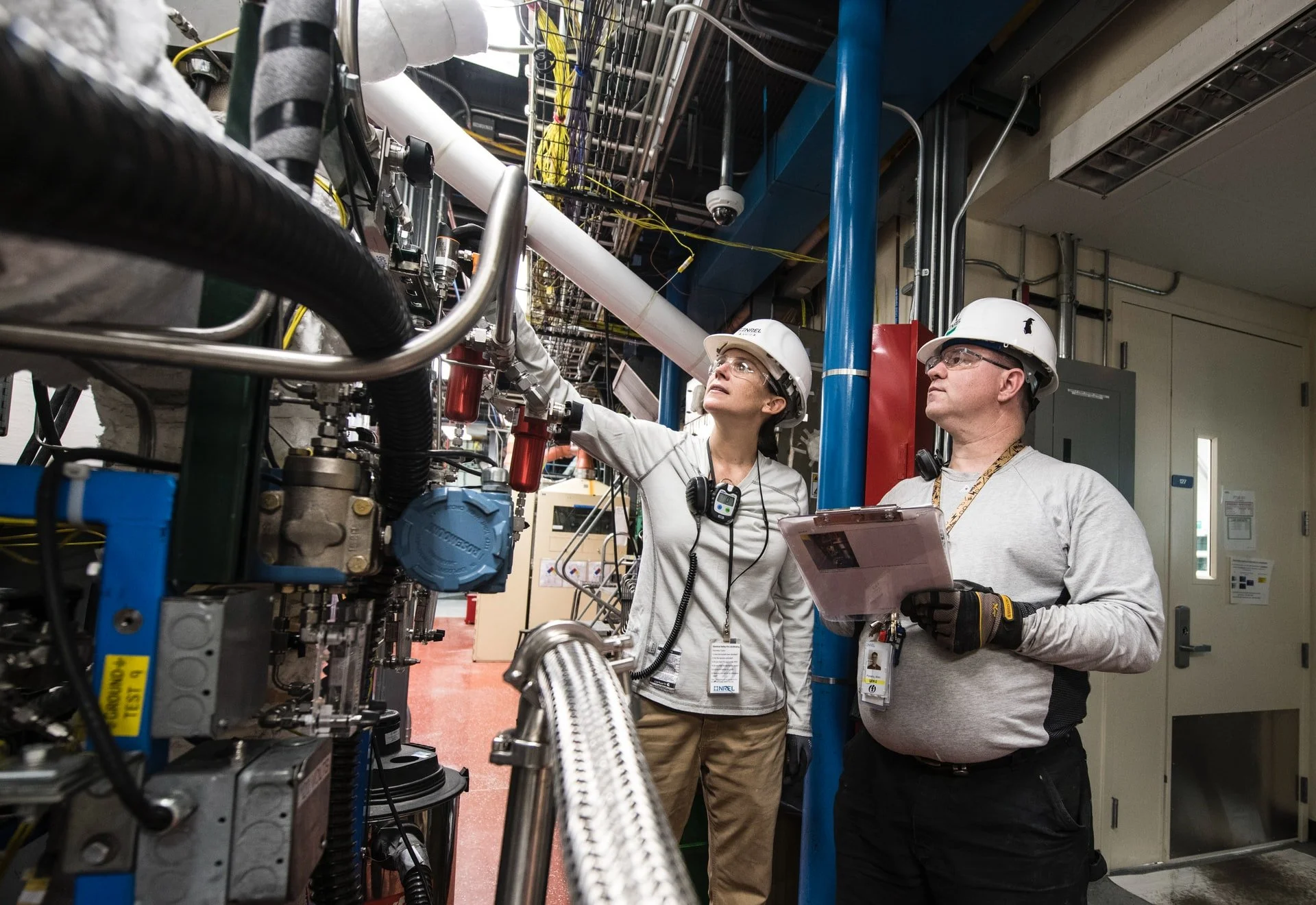
World-wide an estimated 20 million people earn their living from recycling waste. Waste picking often involves the collection, sorting, and processing of materials with little or no health and safety protections. Waste pickers may work in the streets, open dumps, sanitary landfills, and sorting warehouses, where each workplace presents different degrees of risks and vulnerabilities to waste pickers. Workers are exposed to infectious diseases from medical waste, heavy metals, dusts and chemical vapors, heat and cold stress, falls and other injuries. There is no organization to train and protect workers from injuries and disease. The vision of WWOSH is that all workers may have a safe work place and return home healthy every day.
Global Alliance of Waste Pickers
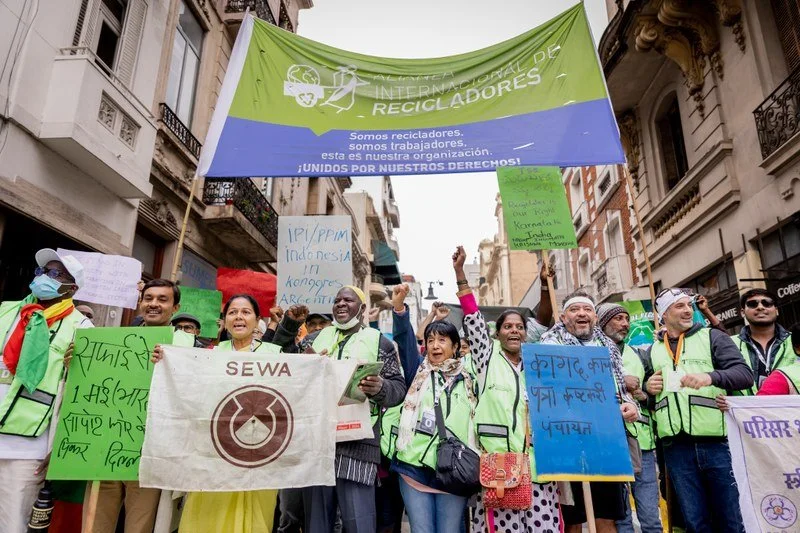
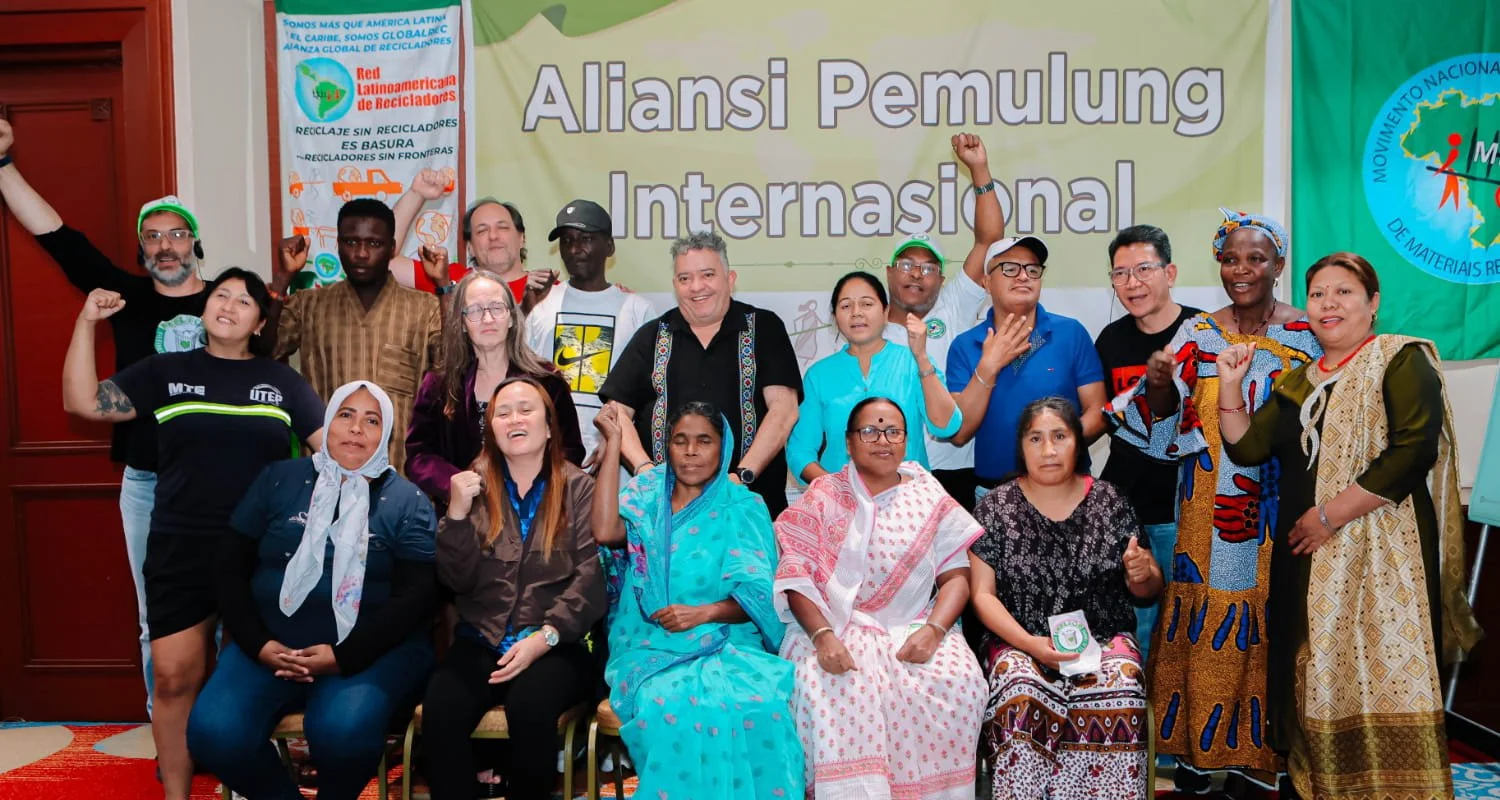
The Global Alliance of Waste Pickers is a networking process supported by WIEGO, among thousands of waste picker organizations with groups in more than 28 countries covering mainly Latin America, Asia and Africa.
Pimp My Carroça
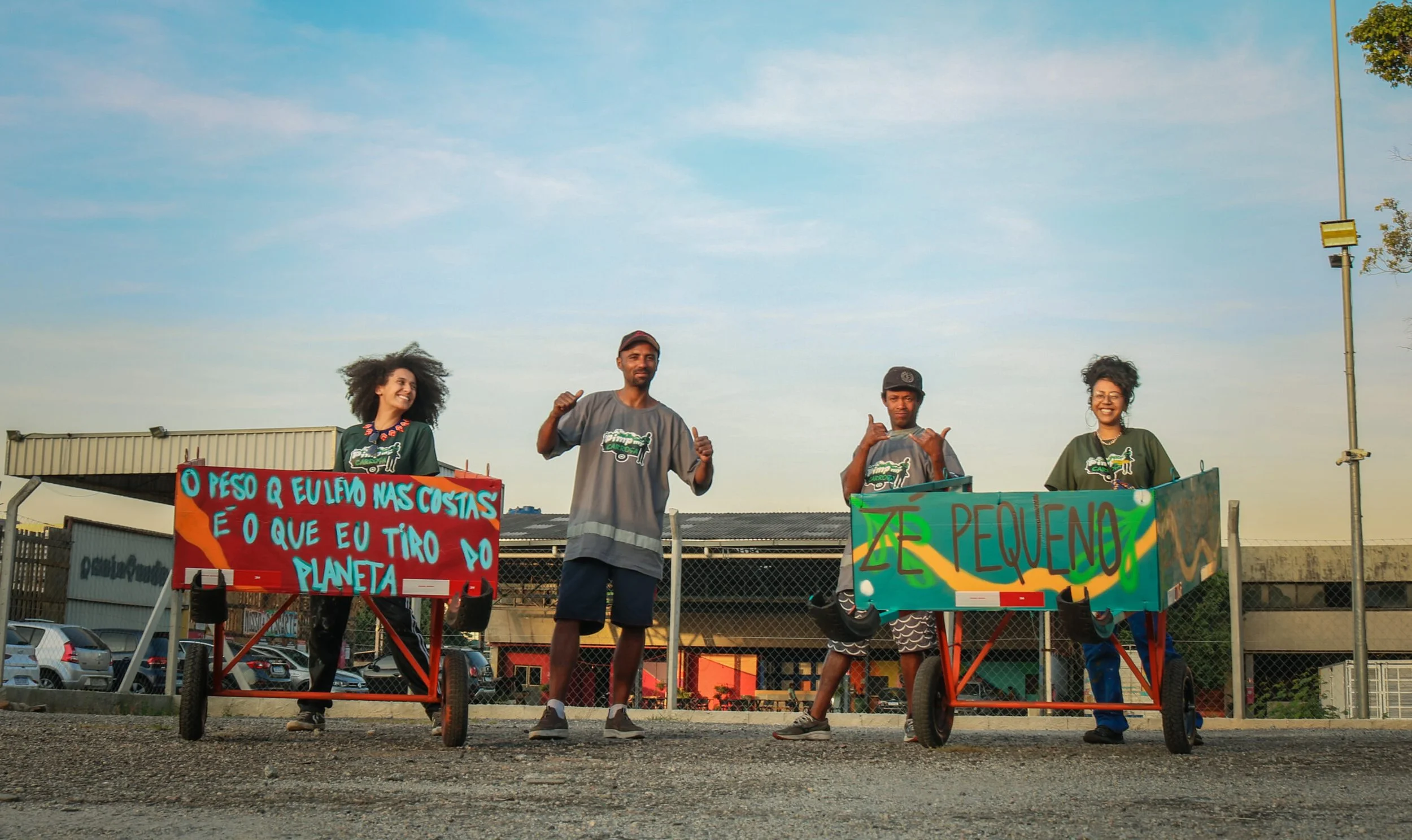
Pimp My Carroça is a socio-environmental movement that has been working since 2012 to gain recognition and appreciation for the work of recyclable material collectors. Through artivism, policy advocacy, environmental education, and social mobilization, they develop projects and initiatives aimed at professional recognition, improved working conditions, and the rights of this workforce.
Research Group in Organizations, Society and Sustainability (NOSS)
NOSS is an interdisciplinary research group at the University of São Paulo (USP), Brazil, that studies key concepts, tools, and methodologies related to sustainability issues, grounded in environmental, sociological, and economic sciences. Its research draws on qualitative and quantitative methodologies to understand sustainability strategies and practices within both public and private organizations. The group aims to consolidate findings that support public policies and sustainability strategies for organizations and society.

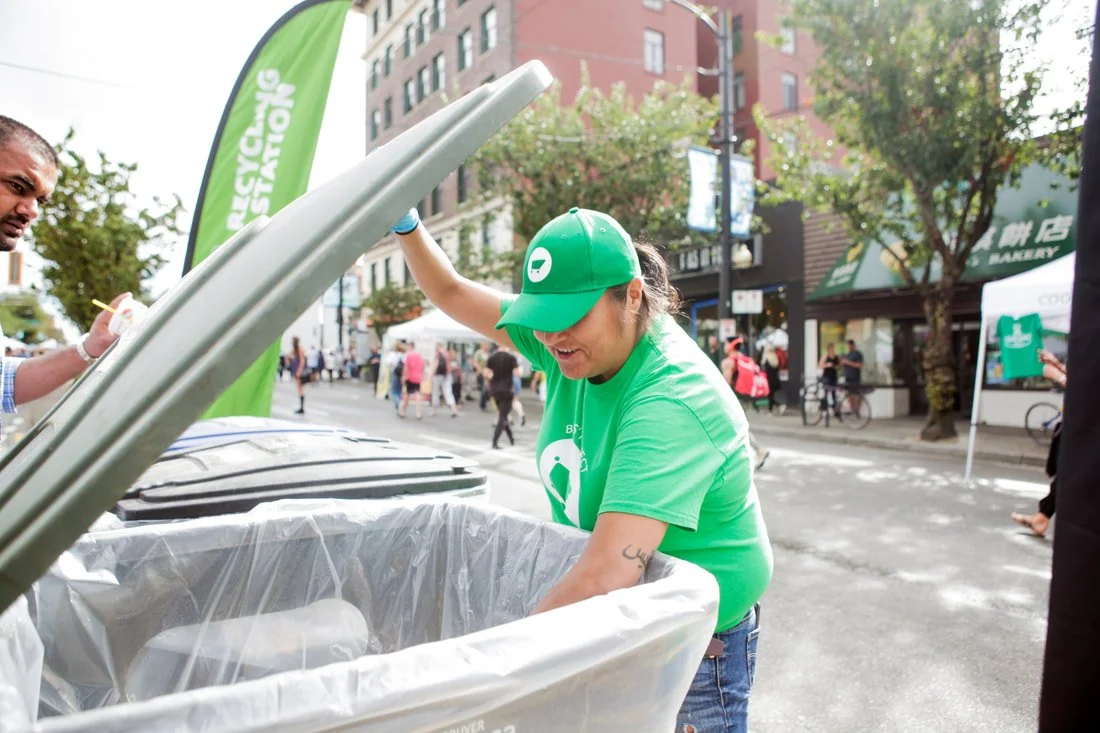
Binners’ Project
Binners’ Project is a group of waste-pickers aided by support staff dedicated to improving their economic opportunities, and reducing the stigma they face as informal recyclable collectors. Binners are among one of the most marginalized groups in urban areas. Their livelihoods stem from refunds received from used containers collected from bins. Binners positively contribute to our environment by diverting a considerable amount of waste from landfills.