
Current Projects
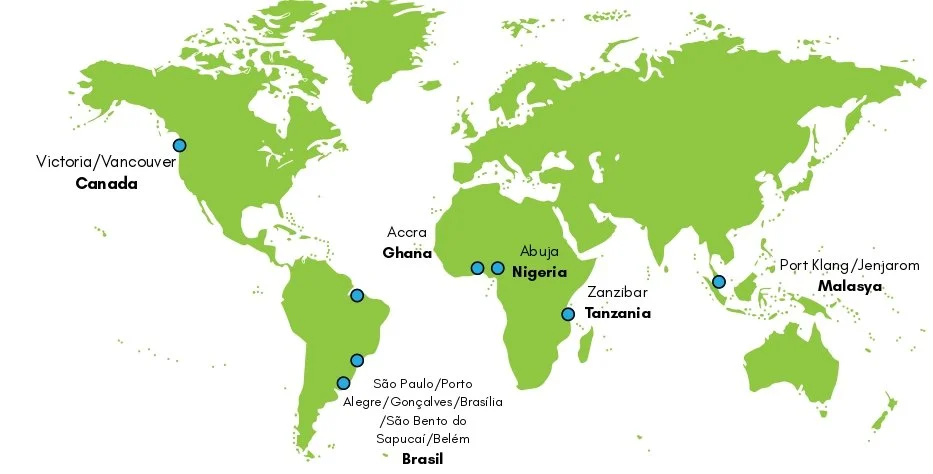

UNICATA (University for and with Waste Pickers)
A university with and for waste pickers, where informal workers attend educational and training opportunities on diverse topics relating to social responsibility, entrepreneurship, waste management, circular economy, and more to promote sustainable livelihoods.
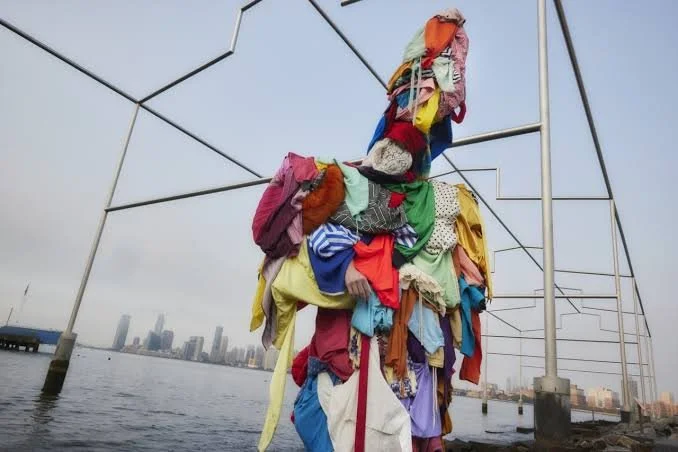
Sustainable for whom? The waste colonialism hidden in the narratives of thrift stores
Conduct an exploratory study focused on understanding the local and global dynamics of discarded textiles and second-hand clothing in their use and disposal.
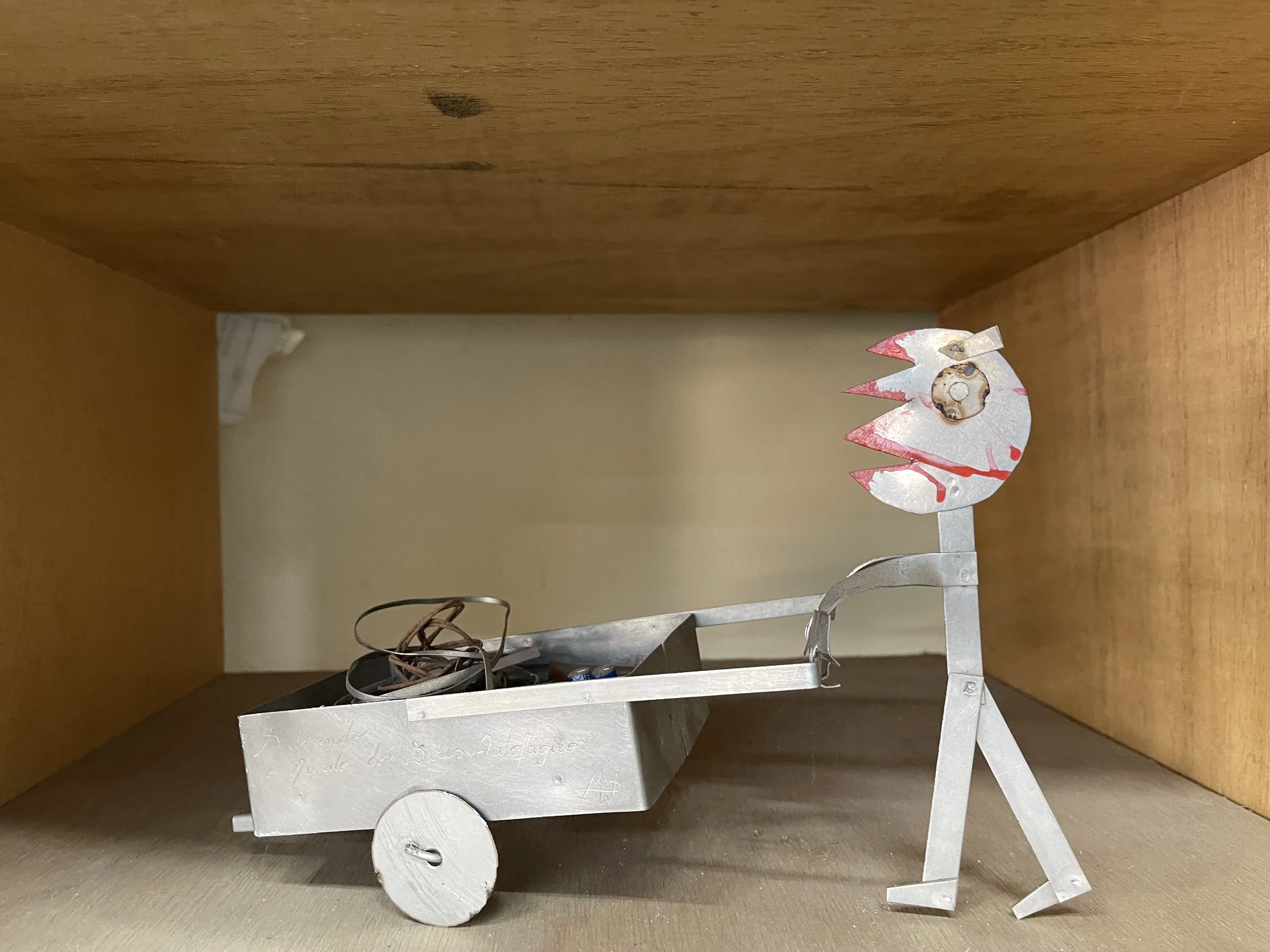
From Invisible to Counted (Coming soon)
Community-Based Assessment of Waste Pickers’ Contributions to the Circular Economy.
Creative Resources for Community Knowledge Co-Creation
For over 20 years the CBRLab in the Department of Geography/UVic has been involved in numerous research projects with many local and international communities, co-generating knowledge in discard and waste studies and on climate action research.

Youth and Grassroots Engagement in Waste Reduction
Zero Waste is a guiding principle to improve waste management, so that organic materials are redirected into composting or biogas generation and recyclable materials are reinserted into the production chain through proper recycling, maximizing resource reuse and reducing waste going to landfills or dumps. Making producers responsible and consumers aware tackles the root causes of single use and the consequences of discard.
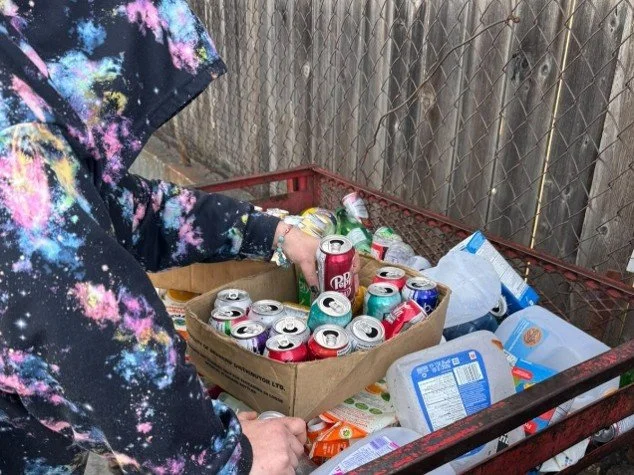
Building Circular Economies through Community-Based Education
A Community-Based Research Project exploring the educational needs, interests, and aspirations of binners (waste pickers) in Victoria and Vancouver, Canada, inspired by the UNICATA project in Brazil.
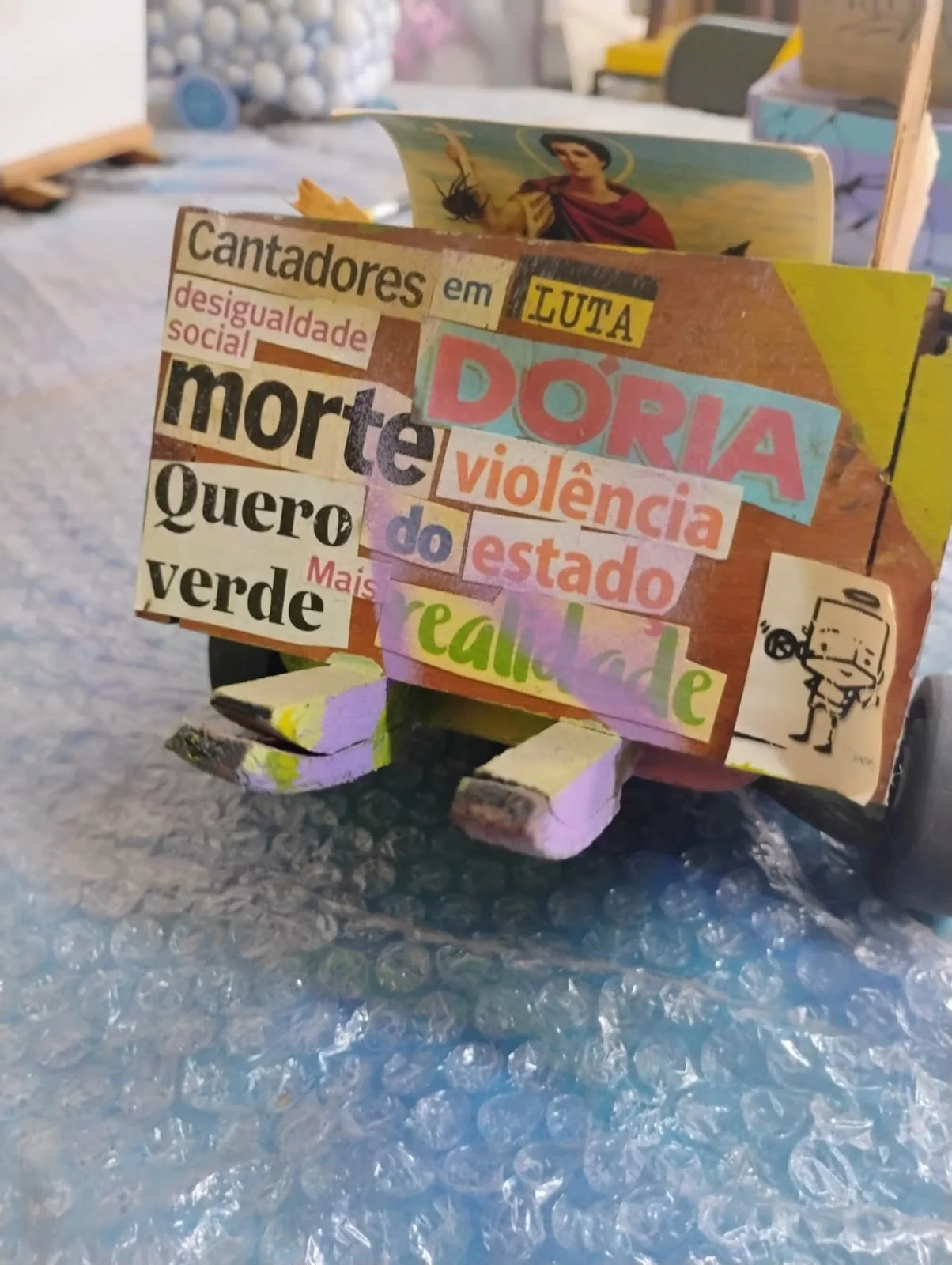
Co-Planning of Climate Adaptation and Just Transition Strategies for Waste Pickers in BR
This project considers the design of the Climate Action Policy of the Municipality of São Vicente to, alongisde with climate justice, support the local management to develop governance structures and capacities to respond to extreme climate events, considering risk prevention and addressing the biophysical and social vulnerabilities that increase the impacts on the territory.